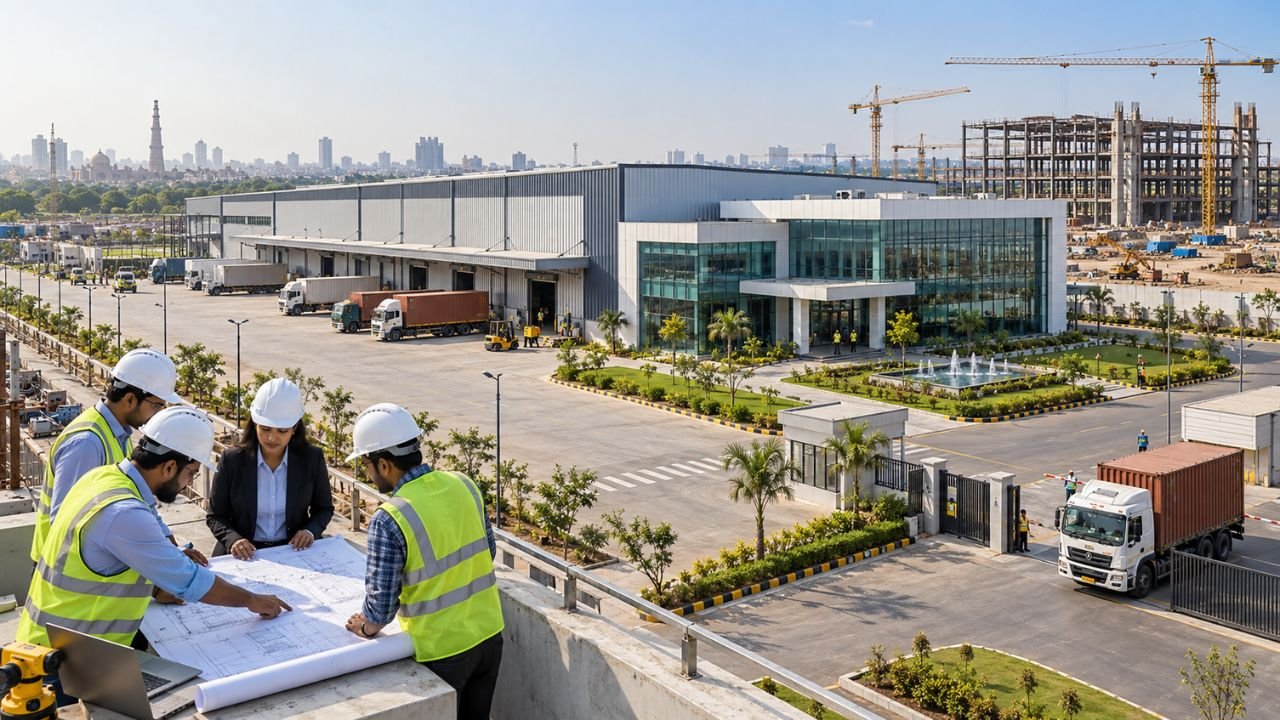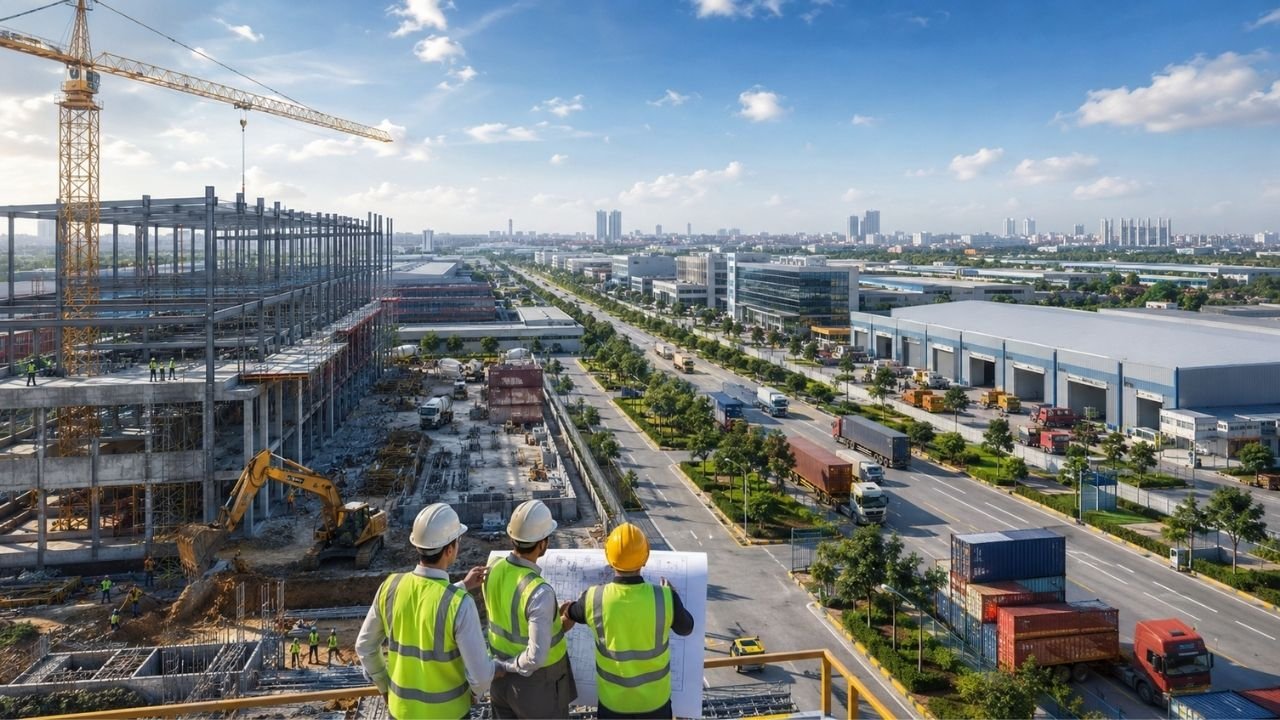
Why house construction gets delayed in India is a question that haunts thousands of homeowners and investors every year. In the volatile market of 2026, residential projects often stretch far beyond their promised timelines, leading to financial stress and legal battles. House construction gets delayed in India due to a complex mix of slow approval processes, poor planning, chronic labor shortages, financial mismanagement, and material procurement delays. Furthermore, unpredictable monsoon conditions, frequent design changes, and contractor mismanagement serve as additional bottlenecks. Construction delays are one of the biggest challenges facing homeowners, contractors, and developers across India, often increasing total costs by 30% or more.
Why House Construction Gets Delayed in India (Quick Answer)
If you are looking for a direct explanation for why house construction gets delayed in India, these 10 key reasons cause most delays:
Construction Delays Are a Major Challenge
Construction delays are one of the biggest challenges facing homeowners, contractors, and developers across India. Whether you are building in a high-density city like Mumbai or a growing hub like Bengaluru, the friction between regulatory requirements and on-ground execution remains high.
10 Real Reasons Behind Construction Delays
- Slow Approval Processes & Regulatory Bottlenecks: Getting the initial green light from municipal bodies can take months.
- Poor Planning & Scheduling: Starting with vague drawings or a lack of a structural roadmap.
- Labor Shortage & Skill Gap: Heavy reliance on migrant labor which fluctuates during festivals and harvests.
- Financial Mismanagement & Budget Constraints: Running out of cash due to poor estimation or fund diversion.
- Material Procurement Delays: Shortages of essential items like cement or specialized tiles during peak seasons.
- Weather Conditions & Seasonal Challenges: Monsoons and extreme summer heat halting outdoor civil work.
- Design Errors & Last-Minute Changes: Making architectural modifications after the foundation is laid.
- Contractor Mismanagement & Lack of Expertise: Hiring the lowest quote instead of the most experienced professional.
- Supply Chain & Logistics Issues: Challenges in transporting materials to remote or congested city center locations.
- Unexpected On-Site Challenges: Discovering poor soil or underground utilities once excavation begins.
Delays in Residential Projects
Delays in residential projects in India are caused by a number of factors, ranging from individual mismanagement to macro-economic shifts in material prices. These 10 reasons cause most construction delays in India.
Slow Approval Processes & Regulatory Bottlenecks
The Problem
Slow Approval Processes & Regulatory Bottlenecks are the primary reasons projects stall before they even start. Before construction begins, multiple permissions are required—building permits, environmental approvals, electricity NOCs, fire department clearances, etc.. These processes often move slowly due to bureaucratic steps and coordination between different departments. The approval process from various government agencies can be slow and cumbersome, leading to delays in starting or completing construction projects.
Required Permissions
- Building Plan Sanction (BBMP, BDA, local panchayats)
- Land ownership verification (Title Deed and Encumbrance Certificate)
- Electricity and Water Board NOCs
- Fire department and environmental clearances
Solution
- Hire a liaison or architect deeply familiar with the local approval process.
- Start the approval process at least 3-6 months before your intended start date.
- Allow a significant buffer time for bureaucratic delays in your master schedule.
Slow approvals are a major cause of construction delays.
Poor Planning & Scheduling
The Problem
Poor Planning & Scheduling often leads to a “decide as you go” approach that fails. One of the most common reasons for project delays is inadequate planning—unclear timelines, undefined responsibilities, and improper resource allocation. Issues such as lack of clear title deeds and land acquisition can lead to delays in getting the necessary approvals from authorities and potential litigations with erstwhile landowners and third parties. This is often considered one of the most common construction mistakes in India.
Causes
- Unclear or non-existent timelines.
- Undefined responsibilities between the contractor and sub-contractors.
- Improper allocation of machinery or labor resources.
- Lack of clear title deeds leading to legal stay-orders.
Solution
- Ensure you have a house construction step by step process in India guide finalized.
- Finalize detailed floor plans and structural designs before hiring a contractor.
- Maintain a realistic budget estimate and a week-by-week timeline.
Poor planning is one of the most common delay causes.
Labor Shortage & Skill Gap
The Problem
Labor Shortage & Skill Gap is a seasonal nightmare in the Indian construction sector. The construction sector in India heavily depends on migrant labor. Festivals, climate conditions, and migration waves often cause labor shortages. Additionally, a lack of skilled workers affects productivity and quality, leading to rework that further delays the project. The construction industry in India is largely unorganized and lacks skilled workers, which can result in poor quality workmanship.
Labor Shortage Causes
- Major festivals (Holi, Diwali, Pongal).
- Harvesting seasons when laborers return to their villages.
- Extreme climate conditions making manual labor difficult.
- High demand for skilled labor in metropolitan areas like Chennai and Delhi.
Solution
- Plan heavy structural work away from major festival seasons.
- Hire skilled workers and vet their previous work in advance.
- Include a 15-20% buffer in your labor timeline for unexpected departures.
Labor shortages frequently halt construction work.
Financial Mismanagement & Budget Constraints
The Problem
Financial Mismanagement & Budget Constraints cause more “abandoned” projects than any other factor. Funds running dry mid-project is a major reason for halted work. Poor cost estimation or unplanned expenses can push the project off schedule. Issues such as inadequate financing—due to bank loan delays or investor withdrawal—directly stop work. Furthermore, mismanagement of funds by developers, where advances are diverted to other projects, causes a massive shortfall. This highlights the need for professional construction material estimation in India.
Financial Issues
- Funds running dry mid-project.
- Inaccurate or “per sq ft” cost estimations.
- Unplanned expenses for finishing and interiors.
- Developer fund diversion or inability to secure bank loans.
Solution
- Get an accurate cost estimation before the first brick is laid.
- Maintain a contingency fund of at least 10-15% of the total project value.
- Verify the developer’s financial track record via RERA filings.
Funds running dry halts construction work.
Material Procurement Delays
The Problem
Material Procurement Delays often happen because of market volatility. India often faces delays in availability of cement, steel, tiles, fixtures, and other materials—especially during peak construction seasons. For instance, choosing a specific what is TMT bar in construction brand might lead to delays if that specific grade isn’t currently in stock at local yards.
Materials Often Delayed
- Cement and high-grade TMT steel.
- Imported tiles or luxury sanitaryware.
- Sand and aggregates during government-imposed mining bans.
- Custom-made doors and window frames.
Solution
- Order bulk materials like steel and cement in advance.
- Have a list of backup suppliers for essential building materials.
- Store materials safely on-site when market availability is high.
Material shortages especially during peak seasons cause delays.
Weather Conditions & Seasonal Challenges
The Problem
Weather Conditions & Seasonal Challenges are unavoidable but can be managed. Extreme heat, unpredictable rain, cyclones, and monsoons often halt construction work—especially foundation and concrete-related tasks. In cities like Mumbai or Chennai, heavy rain can stop work for 2-3 months entirely.
Weather Challenges
- Monsoon rains preventing foundation excavation.
- Extreme summer heat in North India affecting curing and labor health.
- Cyclones and high winds stopping work on high-rise structures.
Solution
- Schedule heavy excavation and foundation work for the dry winter months.
- Allow a “weather buffer” in your project timeline for at least 30 rain-days.
- Use waterproof covers and advanced curing compounds to protect work-in-progress.
Monsoons and extreme weather halt foundation and concrete work.
Design Errors & Last-Minute Changes
The Problem
Design Errors & Last-Minute Changes are a silent killer of construction timelines. Inaccurate architectural drawings, structural miscalculations, or frequent client-driven design changes disrupt the workflow and cause time loss. Changing a wall’s position after plumbing conduits are laid can add weeks to a 2BHK project.
Design Issues
- Inaccurate architectural drawings that don’t match site dimensions.
- Structural miscalculations requiring retrofitting.
- Changing layout or electrical points mid-way through construction.
Solution
- Finalize every detail of the design before construction starts.
- Verify all drawings with the site engineer to ensure they are buildable.
- Adopt a “zero-change” policy once the slab casting has begun.
Last-minute design changes disrupt workflow and cause delays.
Contractor Mismanagement & Lack of Expertise
The Problem
Contractor Mismanagement & Lack of Expertise accounts for a high percentage of residential delays. Inexperienced or poorly organized contractors are a leading cause of construction delays. Issues include mismanagement of labor, lack of supervision, poor quality, and mismatched timelines. The contractor’s prolonged delay despite full or substantial payment constitutes a clear breach of contract and deficiency in service.
Contractor Issues
- Hiring unskilled labor to save costs.
- Lack of regular on-site supervision leading to errors.
- Mismatch between the promised timeline and actual progress.
- Poor coordination between different sub-contractors (plumbers, electricians).
Legal Rights
- The contractor’s prolonged delay constitutes a clear breach of contract.
- Even without a designated penalty clause, the expectation of timely completion is inherently part of these agreements.
- You might consider sending a legal notice requesting completion within a set timeframe.
Solution
- Vet the contractor’s experience by visiting their ongoing and finished sites.
- Include a clear penalty clause for delays in the formal contract.
- Check references from at least three past clients.
Contractor mismanagement is a leading cause of delays.
Supply Chain & Logistics Issues
The Problem
Supply Chain & Logistics Issues are particularly acute in dense urban centers. Remote site locations, transportation strikes, material shortages, and route restrictions all contribute to delay. Distance from the source of material, restricted timings for construction in city center locations, and poor infrastructure can lead to delays as well as increased costs.
Logistics Issues
- Restricted entry for heavy vehicles in city centers during daytime.
- Transportation strikes affecting the supply of sand and bricks.
- Poor road access preventing trucks from reaching the site.
- Unpredictable water and electricity supply at the site.
Solution
- Source materials locally to minimize transportation risks.
- Schedule material deliveries for nighttime to avoid city traffic restrictions.
- Plan for on-site storage of critical materials to hedge against strikes.
Remote locations and transportation issues cause delays.
Unexpected On-Site Challenges
The Problem
Unexpected On-Site Challenges often surface after the first few weeks. Issues like poor soil conditions, underground utilities, hidden structural damage, and incorrect site leveling can delay foundation and structural work. Finding a hard rocky layer or a high groundwater table in Agra or Chennai can push foundation work by several weeks.
On-Site Issues
- Poor soil bearing capacity requiring pile foundations.
- Discovering old underground pipelines or electrical cables.
- Incorrect site leveling leading to drainage issues.
Solution
- Always conduct a professional soil test before designing the foundation.
- Perform a thorough site survey to identify existing utilities.
- Allocate a 5% “on-site surprise” buffer in your construction timeline.
Unknown on-site conditions delay foundation and structural work.
RERA Protection for Homebuyers
If your project is part of a larger development, you are protected by the Real Estate (Regulation and Development) Act (RERA).
RERA Rules
RERA rules for project delays protect homebuyers with compensation, refunds, and legal rights. These delays can result from regulatory approvals, financial constraints, or construction issues.
Legal Rights
Builder delay occurs when a promoter fails to hand over possession within the time promised under the agreement. Under RERA, homebuyers have the right to seek a refund with interest or stay in the project while receiving monthly compensation.
Delay Compensation
This is called “Delay Compensation.” Additionally, many exit clauses in contracts allow you to exit the deal if the project is delayed beyond a certain period.
RERA protects homebuyers with compensation and refunds.
How to Avoid Construction Delays?
Prevention Checklist
| Delay Cause | Prevention Strategy |
|---|---|
| Slow Approvals | Start the approval process early and hire a local liaison. |
| Poor Planning | Finalize a detailed plan, timeline, and budget before starting. |
| Labor Shortage | Hire skilled workers in advance; plan around festivals. |
| Financial Issues | Get accurate cost estimation; keep 15% contingency. |
| Material Delays | Order essential items in advance; use backup suppliers. |
| Weather | Plan major structural work outside the monsoon season. |
| Design Changes | Finalize the architectural design before construction begins. |
| Contractor Issues | Thoroughly vet contractor experience and check past references. |
| Logistics | Source materials locally and plan for route restrictions. |
| On-Site Issues | Conduct soil testing and utility surveys before excavation. |
Key Tips
- Start the approval process early to avoid initial bottlenecks.
- Perform detailed planning and cost estimation before starting.
- Maintain an accurate cost estimation with a 15% contingency fund.
- Hire skilled workers and secure their availability in advance.
- Order materials before the peak construction season starts.
- Plan your construction timeline to avoid foundation work during monsoons.
- Finalize the design before moving from paper to the site.
- Vet contractor experience and visit their previous sites.
- Conduct soil testing to avoid foundation-level surprises.
Follow this checklist to minimize construction delays.
Conclusion
If you’re planning to build your home and need expert guidance on avoiding construction delays, timeline planning, and project management, contact Construction Estimator India. We specialize in ensuring your project stays on track from the first brick to the final coat of paint. We help with:
- Professional construction scheduling consultation
- Realistic timeline planning and monitoring
- Delay prevention strategies for residential and commercial builds
- Comprehensive project management services
- Accurate construction material estimation in India
- Professional what is BOQ in construction and DPR preparation
Don’t let your dream home turn into a long-term headache. Let our experts guide you through the complexities of the Indian construction landscape.
WhatsApp / Call: +91 8630676890
FAQ — Why House Construction Gets Delayed India
Why does house construction get delayed in India?
It is primarily due to slow government approvals, labor migration during festivals, and poor project planning before the start.
What are the main reasons for construction delays in India?
The main reasons include regulatory bottlenecks, financial mismanagement, material shortages, and unpredictable weather like monsoons.
How to avoid construction delays in India?
By having a detailed BOQ, a professional timeline, securing funds early, and hiring an experienced contractor with a good track record.
What approvals are needed before construction in India?
You need building plan sanctions, land title verification, and NOCs from electricity, water, and fire departments.
How does monsoon affect construction in India?
Monsoon halts all excavation and concrete-related activities, making outdoor civil work nearly impossible for weeks.
What is RERA delay compensation for homebuyers?
It is the interest or monthly payment a builder must provide to the buyer for every month the project is delayed past the delivery date.
How to choose the right contractor to avoid delays?
Look for a contractor who provides a detailed written timeline, has a team of skilled labor, and comes with positive references.
What is the cost of construction delay in India?
Typically, a project delay can increase the overall cost by 15-30% due to material price inflation and labor overheads.
How long do house construction delays typically last?
Depending on the cause, delays can range from 3 months (seasonal) to several years (legal or financial).
How do I contact Construction Estimator India for construction scheduling?
You can contact us via WhatsApp or Call at +91 8630676890 for expert scheduling and timeline consultation.