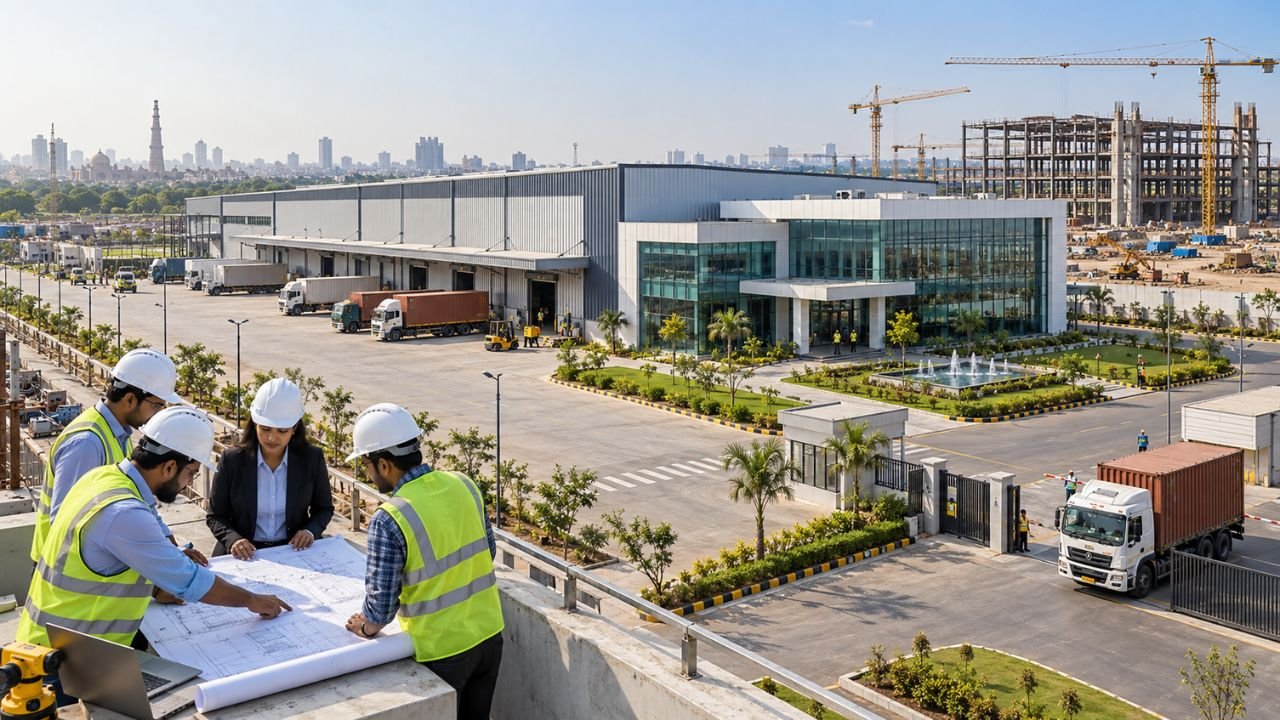
Dehradun lies in Seismic Zone IV, a high-risk earthquake zone, making earthquake-resistant home construction not just a choice but a legal and safety necessity. Proper design, quality materials, and experienced contractors are essential for protecting lives and property. The Uttarakhand High Court and MDDA (Mussoorie Dehradun Development Authority) have made earthquake-resistant buildings mandatory for all new constructions in Dehradun. In this seismically active region, Earthquake-Resistant Home Construction in Dehradun is critical for ensuring structural integrity, compliance, and long-term value for homeowners, property investors, and families planning to build in the Himalayan foothills.
👉 Looking for Earthquake-Resistant Home Construction in Dehradun? – 📲 Contact Our Experts Today
This comprehensive guide is designed for homeowners, homebuyers, property developers, investors, villa owners, and anyone planning to build a home in Dehradun. It covers seismic zone risks, mandatory building regulations, design principles, structural systems, material quality, foundation types, cost implications, and how to choose the right builder for quake-safe homes.
Why Earthquake-Resistant Home Construction Is Critical in Dehradun?
Dehradun lies in Seismic Zone IV, classified as a high-risk zone by the Bureau of Indian Standards. This means the area has a significant probability of moderate to strong earthquakes. Historical seismic activity in Uttarakhand, including major events in the Himalayan region, underscores the need for earthquake-resistant construction. Buildings that are not designed for seismic forces can suffer severe damage or collapse, leading to loss of life and property.
👉 Build a Safe, Strong & MDDA-Compliant Home in Seismic Zone IV – 📲 WhatsApp Now
The Uttarakhand High Court and MDDA have made earthquake-resistant design mandatory for all new constructions in Dehradun. Compliance with IS 1893 (Part 1) and IS 13920 for ductile detailing is required. Proper earthquake-resistant construction protects lives, reduces repair costs after seismic events, and ensures long-term structural durability. In Dehradun’s hilly and foothill areas, where soil conditions vary and slopes are common, expert construction prevents settlement, cracking, and failure during tremors. Homeowners and investors who choose quake-safe construction also benefit from higher property value, easier bank financing, and peace of mind in a region prone to seismic activity.
What Earthquake-Resistant Home Construction in Dehradun Includes?
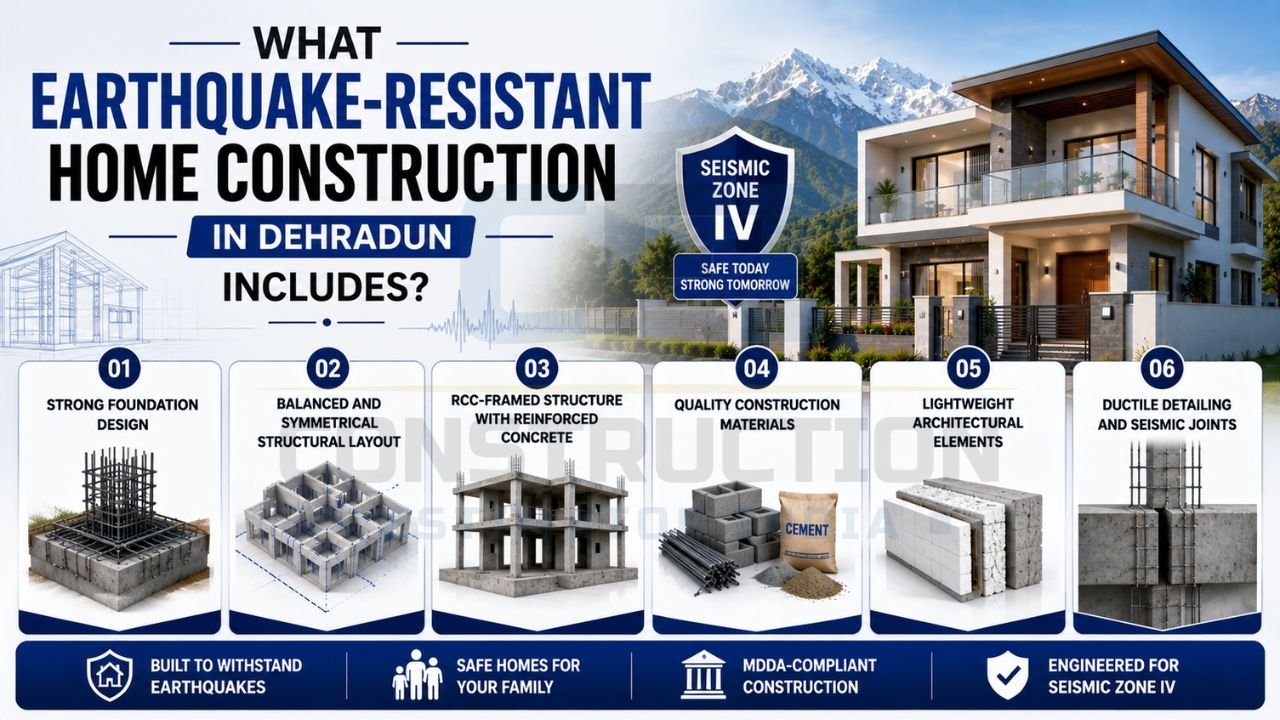
Earthquake-resistant homes in Dehradun incorporate several key features to withstand seismic forces.
👉 Need Earthquake-Resistant Design & Construction Support? – 📲 Start Chat Today
Strong Foundation Design
Detailed soil testing is the first step. Raft foundations, isolated footings, or pile foundations are designed based on soil bearing capacity. In Dehradun’s variable soil conditions, proper foundation design distributes seismic forces evenly and prevents differential settlement.
Balanced and Symmetrical Structural Layout
Simple, symmetrical building plans perform better during earthquakes. Architects avoid irregular shapes, large overhangs, and soft storeys that can cause torsion or collapse. In Roorkee and Dehradun, symmetrical layouts with proper load paths are recommended for villas and independent homes.
RCC-Framed Structure with Reinforced Concrete
RCC-framed structures with ductile detailing are standard for earthquake-resistant homes. Columns, beams, and slabs are designed with proper reinforcement ratios and confinement as per IS codes. This allows the building to flex and absorb seismic energy without catastrophic failure.
Quality Construction Materials
High-grade cement (OPC 43/53), TMT steel bars (Fe 500), and quality aggregates are essential. Proper concrete mix ratios and curing ensure high compressive strength. In Dehradun, using locally available quality materials while meeting seismic standards is key to cost-effective construction.
👉 Get Complete Seismic-Safe Home Construction Solutions – 📲 Message Us Now
Lightweight Architectural Elements
Reducing unnecessary load on upper floors improves earthquake performance. Lightweight roofing, partition walls, and non-structural elements help minimize inertial forces during tremors.
Ductile Detailing and Seismic Joints
IS 13920-compliant ductile detailing is mandatory. Proper stirrup spacing, lap lengths, and seismic joints allow the structure to deform without brittle failure. This is particularly important for multi-story homes and villas in Dehradun.
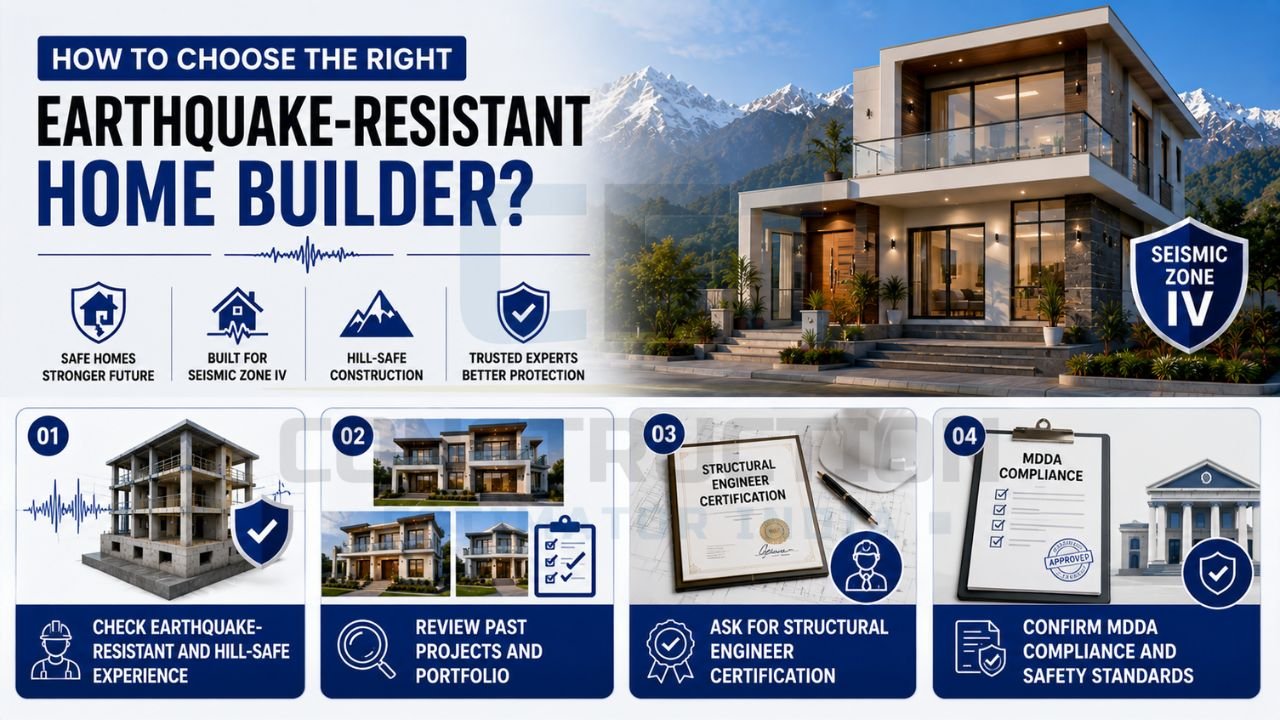
How to Choose the Right Earthquake-Resistant Home Builder?
Selecting the best builder for earthquake-resistant homes requires careful evaluation.
👉 Get Complete Seismic-Safe Home Construction Solutions – 📲 Message Us Now
Check Earthquake-Resistant and Hill-Safe Experience
Prioritize builders with proven experience in seismic Zone IV construction and hill-slope projects. Local experience in Dehradun ensures they understand soil conditions, MDDA requirements, and terrain challenges.
Review Past Projects and Portfolio
Visit completed quake-safe homes, villas, and residential projects in Dehradun. Assess structural quality, MDDA compliance, and client feedback to gauge real-world performance.
Ask for Structural Engineer Certification
MDDA requires a structural engineer’s certificate for all building plans. Ensure the builder collaborates with qualified structural engineers for seismic design.
Confirm MDDA Compliance and Safety Standards
Verify adherence to MDDA bye-laws, IS codes, and seismic design standards. A reliable builder will guide you through the entire approval process.
For a complete contractor evaluation guide: What to Check Before Hiring a Contractor in India.
Planning Before Earthquake-Resistant Home Construction
Thorough planning is the foundation of quake-safe homes. Start with site and soil testing, seismic zone assessment, budget planning, concept design with earthquake-resistance in mind, structural engineer consultation, project scope setup, and timeline planning.
👉 Smart Engineering. Strong Foundations. Safer Homes. – 📲 Contact Us Now
Foundational planning steps: How to Start House Construction in India.
Budget and Cost of Earthquake-Resistant Construction
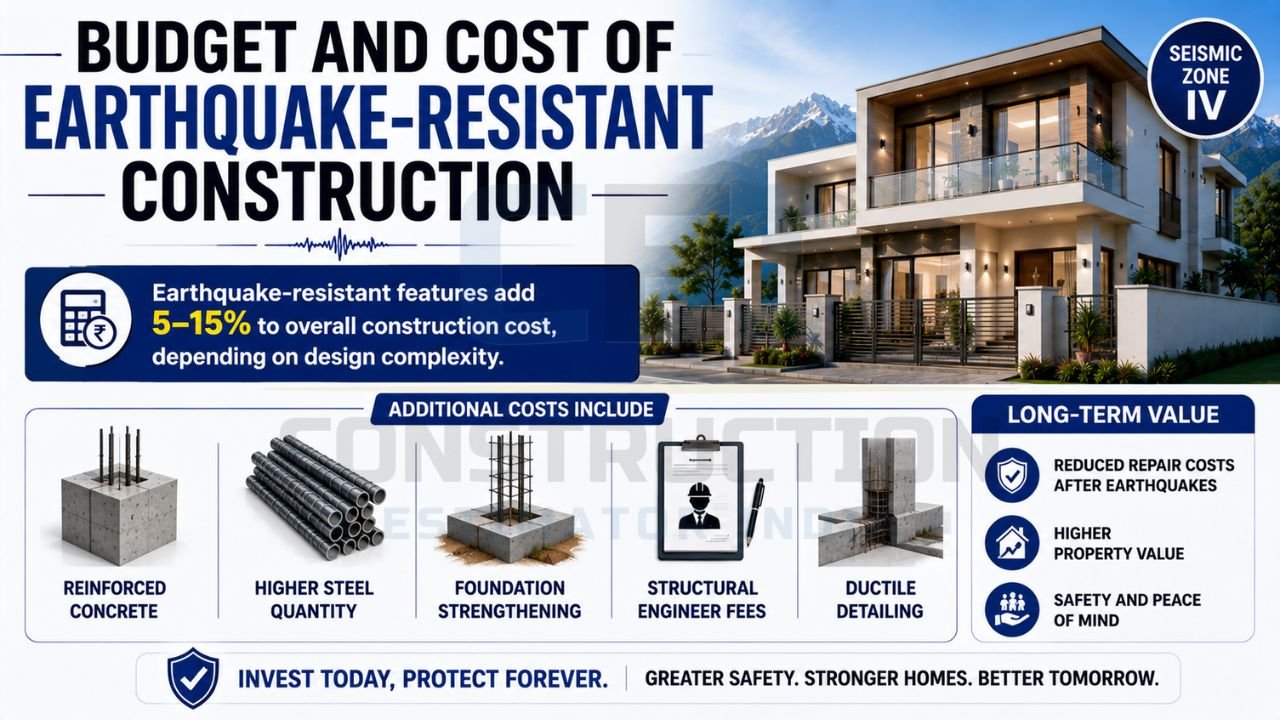
Earthquake-resistant features add 5-15% to overall construction cost, depending on design complexity. Additional costs include reinforced concrete, higher steel quantity, foundation strengthening, structural engineer fees, and ductile detailing. However, the long-term value — reduced repair costs after earthquakes, higher property value, and safety — far outweighs the initial investment.
👉 Smart Engineering. Strong Foundations. Safer Homes. – 📲 Contact Us Now
General budgeting reference: How Much Money Needed to Build a House in India.
Documents, Approvals, and MDDA Compliance
MDDA requires detailed documentation for earthquake-resistant homes. Key items include ownership proof, site papers, approved architectural drawings, structural engineer’s certificate, MDDA permissions, seismic compliance documentation, and record keeping. Proper documentation ensures legal construction and smooth possession.
Essential checklist: Documents Required for House Construction in India.
Material Quality and Common Mistakes to Avoid
Material quality directly affects earthquake resistance. High-grade cement and concrete, proper steel grade (IS 1786), and correct reinforcement detailing are essential. Avoiding weak columns, improper joints, or substandard materials prevents structural failure during earthquakes.
Guidance on cement: Which Cement is Best for House Construction in India. Key pitfalls: Common Construction Mistakes in India.
Coordination With Architects, Structural Engineers, and Builders
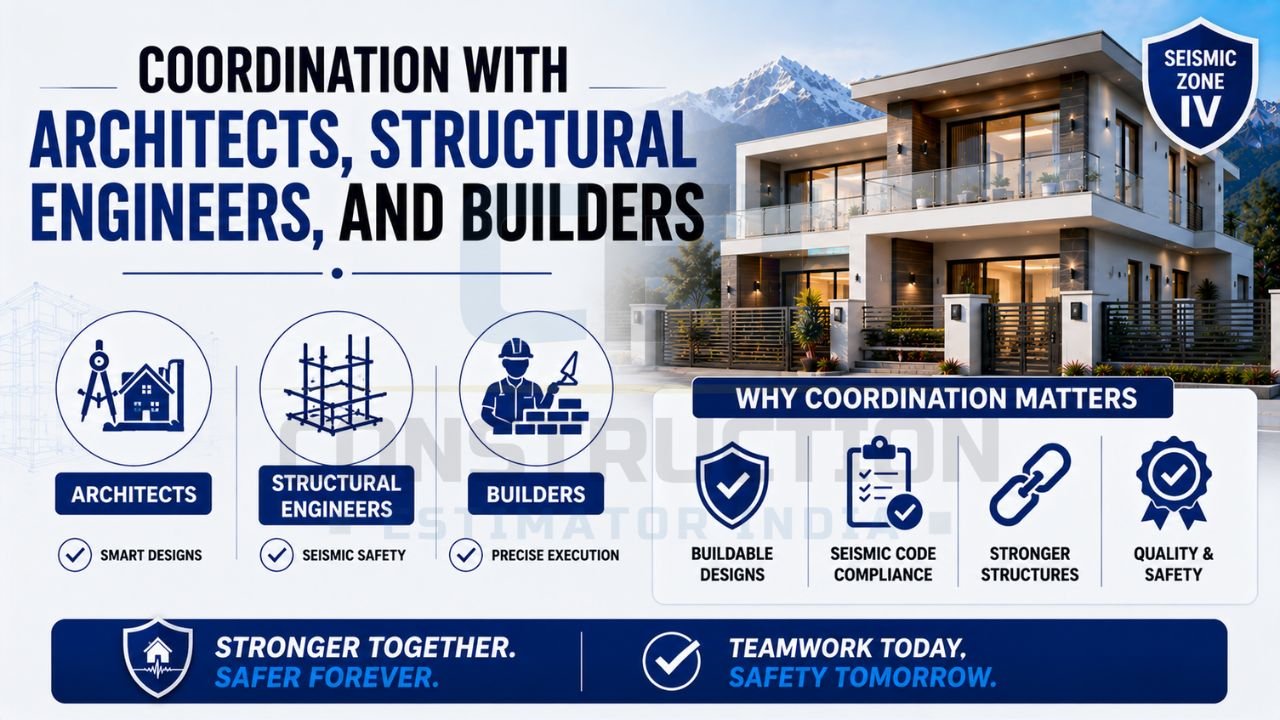
Earthquake-resistant homes require close coordination between architects, structural engineers, and builders. This ensures designs are practical, structurally sound, and executed with precision.
👉 From Soil Testing to Structural Design, We Handle Everything – 📲 Chat With Us Now
Key partners include: Best Architect in Dehradun, Civil Engineers & General Contractors in Dehradun, and Building Contractors in Dehradun.
Why Coordination Matters in Earthquake-Resistant Projects?
Integrated teamwork ensures designs are buildable, compliant with seismic codes, and executed with the required ductile detailing and quality standards, reducing the risk of structural failure.
Related Construction Services in Dehradun
Earthquake-resistant home builders often work with broader construction teams for complete project success.
Explore: Home Builders & Construction Companies in Dehradun, Top Villa Construction Contractors in Dehradun, Residential Construction Services in Dehradun, and Top Turnkey Contractors in Dehradun.
When Multi-Project Experience Helps?
Builders with earthquake-resistant, villa, residential, and hill-safe experience bring stronger project planning, safety execution, and MDDA compliance expertise.
Why Construction Estimator India?
Construction Estimator India is a reliable choice for Earthquake-Resistant Home Construction in Dehradun. We offer transparent pricing, professional planning, earthquake-resistant and MDDA-approved expertise, structural engineer collaboration, end-to-end support, and local market understanding of Dehradun’s seismic requirements.
Conclusion
Choosing earthquake-resistant home construction in Dehradun is essential for safety, legal compliance, structural durability, and long-term value. The right builder reduces risk, ensures MDDA approval, and protects lives and property in Seismic Zone IV. Partnering with experienced professionals ensures your home is not only beautiful but also safe for generations.
Are you ready to build a safe, MDDA-approved, earthquake-resistant home in Dehradun with expert construction support? As one of the trusted names for Earthquake-Resistant Home Construction in Dehradun, Construction Estimator India is committed to delivering excellence, seismic safety, compliance, and 100% pricing transparency. Whether you are planning a villa, independent home, or residential project in Dehradun’s seismic zone, our team provides complete construction solutions from soil testing to handover.
Contact us today for a free consultation and a detailed project estimate!
📞 Call / WhatsApp: +91 8630676890
🌐 Visit Us: Construction Estimator India
📍 Serving: Dehradun, Roorkee, Haridwar, and Rishikesh
FAQ Section
Why is earthquake-resistant construction mandatory in Dehradun?
Dehradun is in Seismic Zone IV. The Uttarakhand High Court and MDDA have made seismic design mandatory for all new constructions to protect lives and property.
What seismic zone is Dehradun in?
Dehradun falls in Seismic Zone IV, a high-risk zone according to the Bureau of Indian Standards.
What are the key features of earthquake-resistant home design?
Strong foundations, symmetrical layout, RCC-framed structure with ductile detailing, quality materials, and proper reinforcement as per IS 13920.
How much extra does earthquake-resistant construction cost?
It typically adds 5-15% to overall construction cost, depending on design complexity and structural requirements. The long-term safety benefits far outweigh the initial investment.
What approvals are needed for earthquake-resistant homes in Dehradun?
MDDA building plan approval, structural engineer’s certificate, and compliance with IS 1893 and IS 13920 seismic codes.
Why is a structural engineer’s certificate mandatory?
MDDA requires it for all building plans to ensure the structure is designed for seismic forces and meets safety standards.
Can existing homes be retrofitted for earthquake resistance?
Yes, existing structures can be strengthened through column jacketing, beam strengthening, and other retrofitting techniques. Consultation with a structural engineer is recommended.