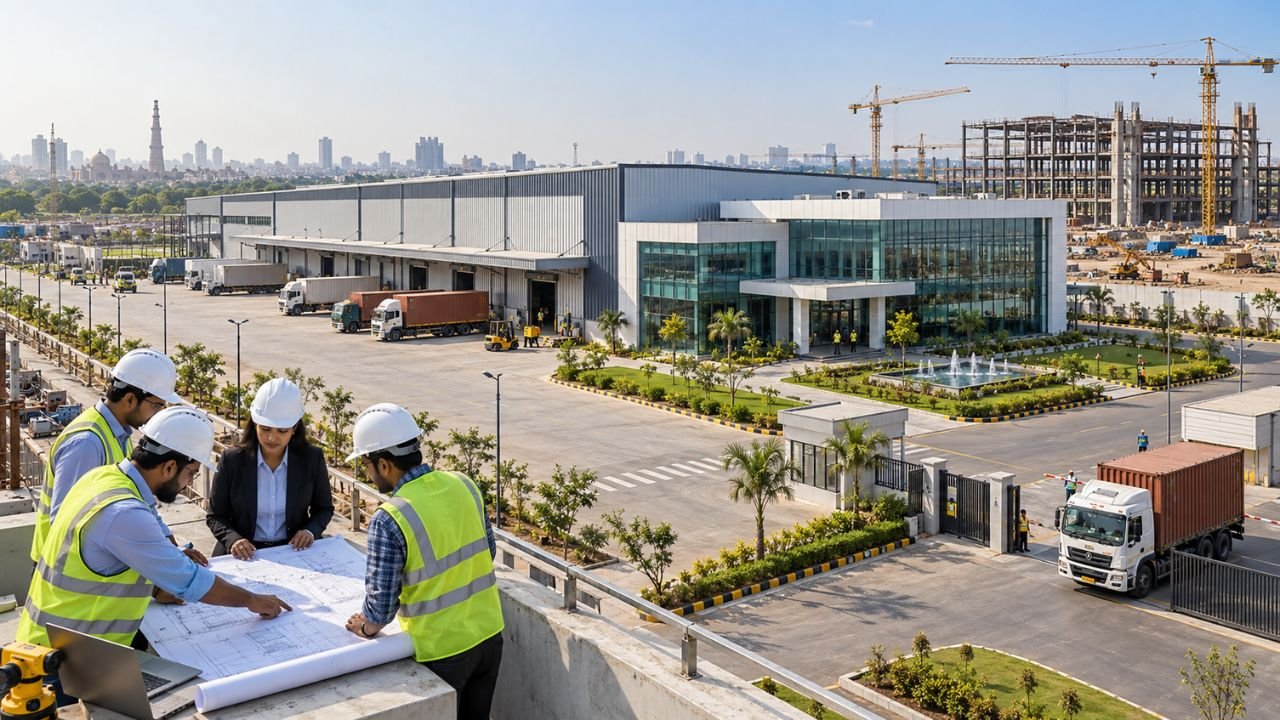
In the Indian construction industry, securing mid-to-large-scale projects—such as institutional buildings or healthcare facilities—requires far more than a rough estimate. When you are bidding on a hospital project, the complexity multiplies. You are no longer just dealing with standard brick and concrete; you are managing strict regulatory compliance, specialized materials, and complex service integrations.
To win and successfully execute these projects, civil contractors and estimators must master three distinct but deeply connected documents: the Bill of Quantities (BOQ), the Construction Bid, and the Construction Proposal.
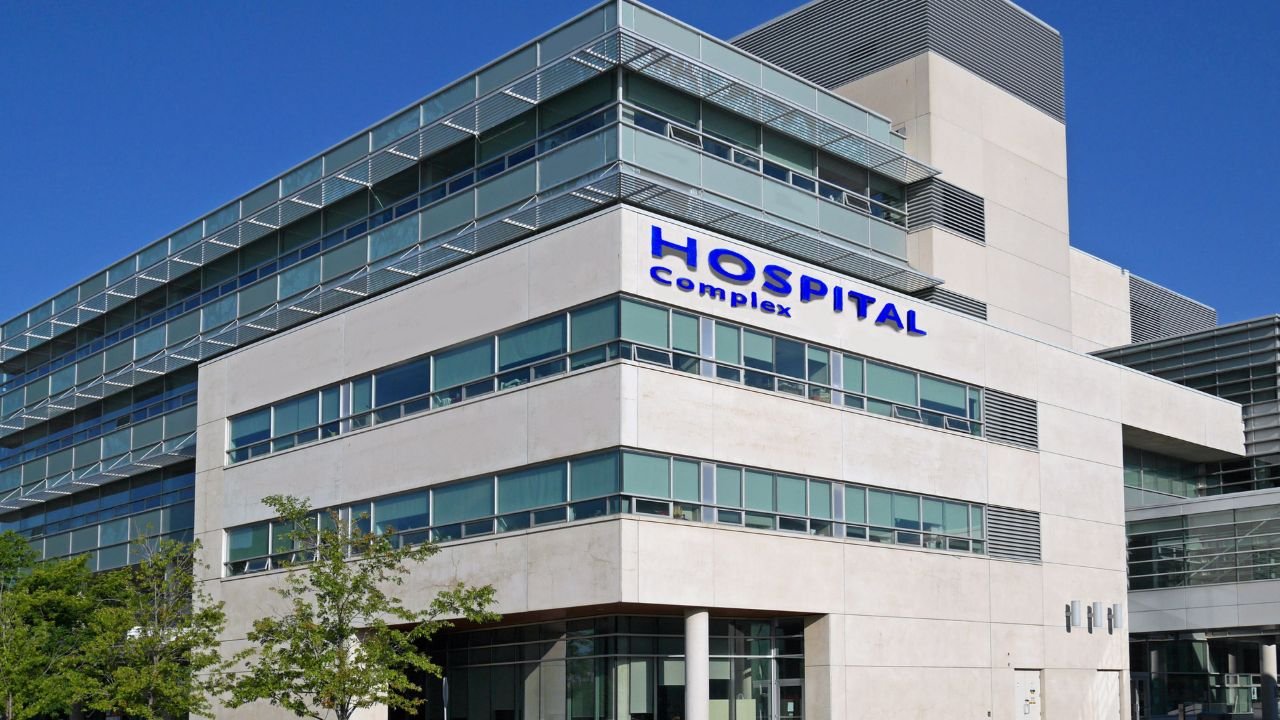
This comprehensive guide will walk you through how these three documents interact, what makes a hospital BOQ unique, and how you can structure your paperwork to win more high-value projects across India.
Civil Work BOQ for Hospital in India – What Makes It Different?
The Bill of Quantities (BOQ) is the technical foundation of any construction project. It lists every item of work, its unit of measurement (usually based on IS 1200 codes), and the total quantity required. However, a hospital project BOQ is vastly different from that of a standard commercial or residential building.
Hospitals require highly specialized zones, robust structural considerations, and materials designed for hygiene and safety. A typical hospital BOQ will include the following major sections:
-
Earthwork and Site Development: Hospitals often require deep excavations for multi-level basements used for parking, medical record storage, or heavy diagnostic equipment (like MRI machines).
-
Substructure and Superstructure: Structural designs for hospitals are often over-engineered to prevent vibration and support immense live loads, resulting in higher quantities of concrete (M30/M40 grades) and reinforcement steel.
-
Masonry and Blockwork: Beyond standard AAC blocks or fly-ash bricks, hospital BOQs often feature radiation-shielding masonry, such as lead-lined walls for X-ray rooms and oncology departments.
-
Specialized Finishes: Healthcare-grade areas like Operation Theatres (OTs), Intensive Care Units (ICUs), and isolation wards require specific line items. This includes antibacterial and antifungal paints, seamless epoxy or vinyl flooring, and cleanroom-grade ceiling tiles.
-
Ramps, Accessibility, and Service Shafts: Hospitals mandate wide, low-gradient ramps for stretcher movement. Additionally, the BOQ must account for oversized service shafts to accommodate complex MEP (Mechanical, Electrical, and Plumbing) layouts, including HVAC ducting and medical gas pipelines.
Because missing a specialized line item can severely impact your margins, it is highly recommended to study a tailored civil work BOQ for hospital in India to ensure your team captures every necessary healthcare-specific detail before pricing the project.
From BOQ to Construction Bid: Formatting Your Bid Correctly
Once your BOQ is prepared and the quantities are locked in, the next step is pricing. But there is a distinct difference between an internal priced BOQ and the final bid you submit to the client or project management consultant (PMC).
-
The BOQ is your quantity document and technical baseline.
-
The Bid is your financial offer, cleanly formatted so the client can easily compare your prices against other contractors.

In India, whether you are responding to a private developer or a government tender (following CPWD/PWD norms), your bid format must be organized, transparent, and legally sound. Core sections of a professional bid format include:
-
Base Bid: The total lump-sum or itemized cost to complete the core scope of work defined in the BOQ.
-
Alternates: Optional pricing for different materials. For example, offering a standard vitrified tile rate as the base, with an “alternate” price for anti-static vinyl flooring for ICU zones.
-
Unit Prices: A schedule of rates for extra works (e.g., rate per cubic metre of extra excavation) to handle future deviations.
-
Taxes and Duties: Clear demarcation of basic costs versus GST (usually 18% for civil works).
-
Exclusions: A definitive list of what your price does not cover (e.g., “Medical gas pipeline installation is excluded from this civil bid”).
To ensure your pricing presentation is competitive, transparent, and easy for consultants to evaluate, you must understand how to format a construction bid effectively. A well-formatted bid builds trust and reduces the back-and-forth negotiations that often delay project awards.
Construction Proposal vs Bid: Client-Facing Document in India
If the bid provides the numbers, the proposal provides the narrative.
Many contractors make the mistake of just emailing a spreadsheet with their final price. For large-scale projects like hospitals, clients are not just buying a price; they are buying your capability, reliability, and safety record. A construction proposal wraps your bid numbers into a comprehensive, client-facing document.
A winning construction proposal in India typically includes:
-
Cover Letter: A professional introduction tailored to the client, expressing enthusiasm for the project.
-
Company Profile & Past Projects: Proof of your capability. If you are bidding on a hospital, highlight previous healthcare or institutional projects you have successfully delivered.
-
Project Methodology & Scope: A brief explanation of how you intend to execute the work, including safety measures, site logistics, and quality control.
-
Pricing Summary: A high-level summary of your detailed bid (with the detailed bid attached as an annexure).
-
Project Schedule: A realistic timeline or basic Gantt chart showing milestones (e.g., plinth completion, roof slab casting, handover).
-
Commercial Terms & Conditions: Payment schedules, mobilization advance requirements, retention money (retention deposit) clauses, and the validity period of the offer.
Writing a compelling narrative that balances technical expertise with commercial clarity is a vital skill. To master this, explore our guide on how to write a construction proposal in India and learn how to present your contracting business as the safest choice for the client.
Using a Construction Project Bid Template in India
Drafting bids and proposals from scratch for every new project is inefficient and leaves room for costly errors—especially when managing tight tender deadlines. Standardizing your workflow with pre-formatted templates is one of the easiest ways to scale your contracting business.
A robust, reusable template provides:
-
Pre-defined Fields: Standardized blocks for contractor details, client information, site address, and tender reference numbers.
-
Structured Sections: Ready-made tables for BOQ integration, rate analysis summaries, and tax calculations.
-
Standardized Terms: Boilerplate clauses for standard Indian construction practices regarding water and electricity scope, site clearance, and dispute resolution.
By adopting a reliable construction project bid template in India, your estimating team can simply plug in the project-specific data without worrying about formatting or forgetting crucial legal disclaimers. This template can be easily adapted whether you are bidding on the civil shell, interior finishing, or a turnkey package.
Workflow: BOQ → Bid → Proposal for Hospital and Other Projects
Understanding how these three documents flow into one another is the key to a streamlined estimating department. Here is the standard step-by-step workflow:
-
Prepare the Detailed BOQ: Your quantity surveyors study the architectural, structural, and MEP drawings. For a hospital, they carefully extract quantities, ensuring special items (like lead-lining, ramps, and heavy foundations) are captured accurately.
-
Price the BOQ to Create the Bid: The estimators take the locked quantities and apply current market rates for materials, labour, and machinery. They add overheads, profit margins, and format the data into a clean Bid form, separating base costs from GST.
-
Build the Proposal Around the Bid: Finally, the bid is inserted into the broader Construction Proposal. The management team adds the cover letter, project methodology, company profile, and terms of payment, creating the final package that is printed, bound, and submitted to the client.
While this workflow applies to schools, commercial towers, and residential complexes, it is especially critical for hospitals, where the technical requirements of the BOQ are immensely demanding.
Practical Tips to Win Bids Using Good BOQs and Proposals
To maximize your chances of winning medium-to-large projects in India, keep these best practices in mind:
-
Align with Standard Norms: Even for private hospital projects, aligning your item descriptions with CPWD/PWD specifications or the local Delhi Schedule of Rates (DSR) provides a recognizable, trusted standard for consultants to evaluate.
-
Prioritize Clarity in Bids: Format your bids so that owners can easily compare item-wise costs. Avoid hiding costs; transparency builds trust.
-
Speak the Client’s Language: Keep the BOQ highly technical, but ensure the Proposal is readable and client-focused. The hospital board or developers want to know about timelines, safety, and hygiene, not just the IS code for aggregate grading.
-
Explicitly State Exclusions: Always list what is not in your scope. If you are doing the civil work but not the medical gas piping or HVAC ducting, say so clearly to prevent scope creep later.
-
Set a Validity Period: Material prices (especially steel and cement) fluctuate rapidly in India. Always state that your bid and proposal are valid for a specific period (e.g., 30 or 60 days).
Conclusion – Treat BOQ, Bid, and Proposal as One System
Winning high-value projects in India requires more than just submitting the lowest price; it requires demonstrating competence and professionalism at every stage of the tender process.
By treating these documents as a unified system, you set your business up for success. The BOQ acts as your technical backbone, ensuring every cubic metre of concrete and square metre of anti-bacterial paint is accounted for. The Bid is your structured, competitive pricing presentation. Finally, the Proposal is the compelling story you tell the client—proving that your company is the right team to bring their hospital or commercial project to life.
By utilizing standardized templates and following structured workflows, Indian contractors can submit bids faster, reduce costly errors, and consistently win better projects.