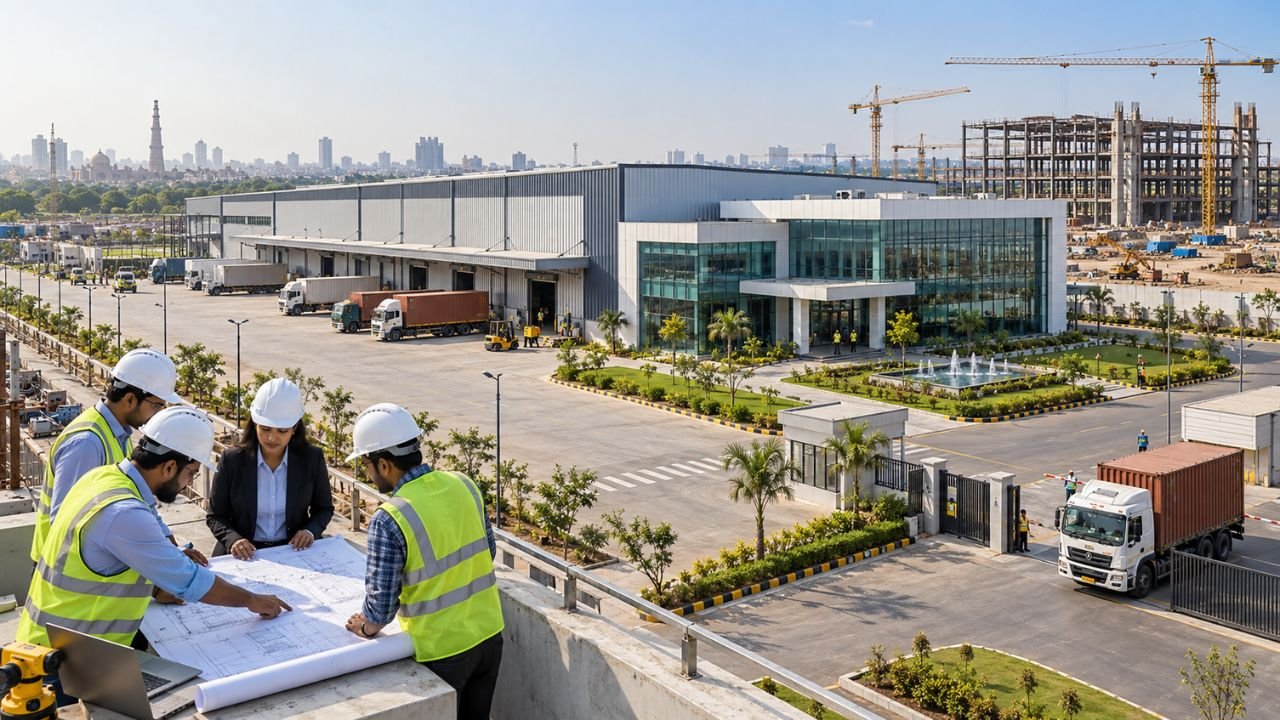
In the evolving landscape of Indian real estate, the Real Estate (Regulation and Development) Act, 2016, stands as the most formidable shield for homebuyers. For anyone looking to invest in an under-construction project or learning how to plan home construction in India, understanding RERA registration is not just a recommendation—it is a legal necessity. Before RERA, homebuyers were often at the mercy of developers who could divert funds, delay projects indefinitely, or change building plans without consent. Today, RERA mandates that no sale in a real estate project can be made without registration of the project with the authority. This ensures that every brick laid is accounted for and every rupee invested is protected.
👉 Need Help with RERA Registration? Get Expert Guidance for a Smooth and Compliant Process.
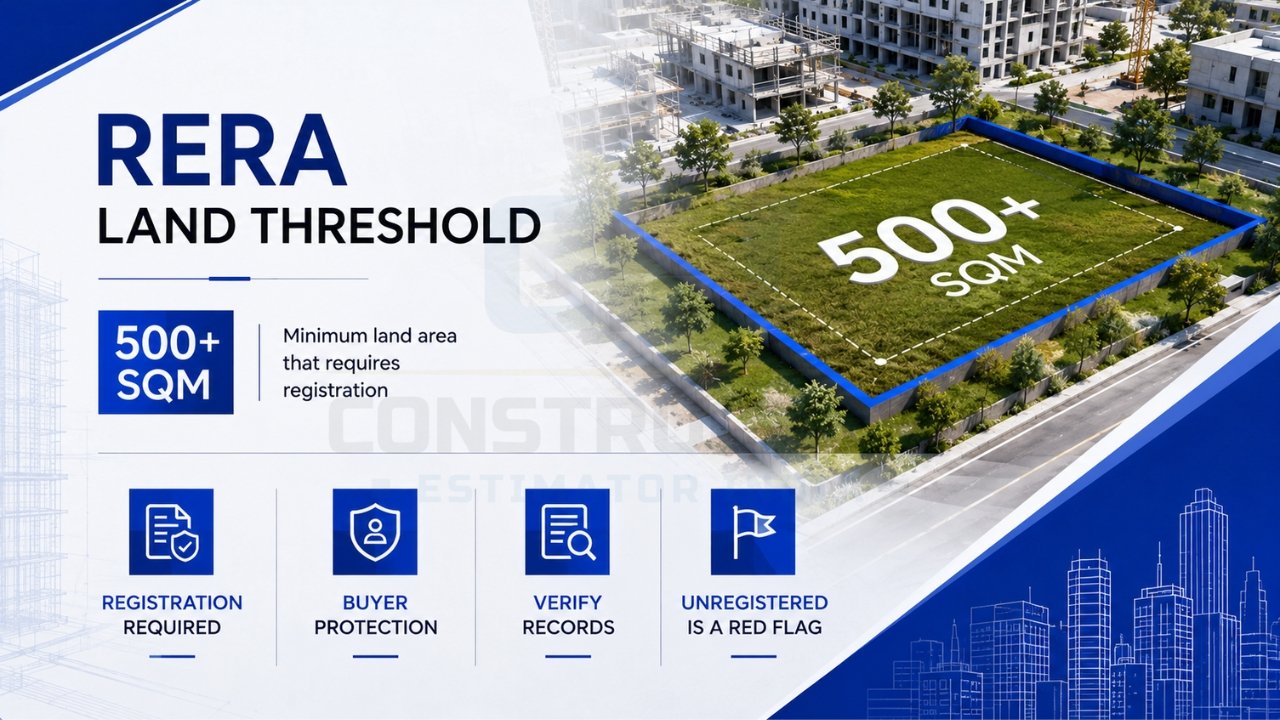
Registration is mandatory for all ongoing and future projects where the land area exceeds 500 square meters or the number of apartments exceeds eight, inclusive of all phases. This threshold is critical for buyers to understand: even if a project is small, if it crosses these limits, it must be registered under RERA to be legally marketed or sold. Without this registration, the project is considered “unauthorized,” exposing you to severe risks including project abandonment, lack of refund guarantees, and the inability to seek redressal through the specialized RERA tribunals. Unregistered projects force buyers into the slow-moving trial court system, which can take a decade to resolve disputes, whereas RERA aims for resolution in months.
With RERA, the power dynamic shifts. Developers must upload comprehensive project details on the RERA website, including the approved layout plan, registration status, types of apartments booked, and a full list of approvals taken. This transparency prevents builders from selling “ghost units” or misrepresenting the project’s progress. Furthermore, the mandatory 70% escrow account ensures that the money you pay is used exclusively for your project, drastically reducing the risk of fund diversion.
At Construction Estimator India, we recognize that navigating legal technicalities can be overwhelming for first-time buyers. That is why we offer a free RERA verification consultation to ensure your dream home is safe and compliant. If you are unsure about a builder’s claims, contact us at +91 8630676890 for expert guidance. Our mission is to ensure that no buyer falls victim to unregistered projects or fraudulent advertisements. Remember, both the promoter and the buyer are liable to pay an equal rate of interest in case of any default from either side, making the transaction fair and legally balanced.
When Is RERA Registration Mandatory for Under-Construction Properties?
Understanding the legal thresholds for RERA is the first step in property due diligence. If a project meets specific criteria, the developer has no choice but to register. Knowing these rules allows you to challenge a builder who claims RERA does not apply to their project.
Land Area Threshold: 500+ Square Meters
Under the RERA Act, any real estate project where the land area exceeds five hundred square meters must be registered. This equates to approximately 5,382 square feet. This threshold ensures that even relatively small developments are brought under the regulatory umbrella. For buyers, this means that even a project on a half-acre plot in NCR, Noida, or Jaipur is likely covered by RERA protections. Always verify the plot size in the Sale Deed or mutation records; if it is over 500 sqm and unregistered, it is a significant red flag.
Apartment Count Threshold: 8+ Apartments
Regardless of the land size, if the number of apartments proposed for development exceeds eight, inclusive of all phases, RERA registration is mandatory. This includes both residential and commercial units. For example, a small builder constructing 6 apartments on the ground floor and 4 on the first floor (10 total) must register the project. This rule prevents small developers from evading transparency requirements simply by building on smaller plots. As a buyer, always ask for the total unit count across all phases of the project.
👉 Navigate RERA Registration with Confidence and Professional Support.
Applies to All Ongoing Projects (No Completion Certificate)
A common misconception is that RERA only applies to new projects launched after 2017. In reality, the rules apply to all ongoing projects that had not received a Completion Certificate (CC) at the time the Act commenced. These projects were required to register within three months of the RERA implementation. If you are looking at an “older” under-construction building that still hasn’t received its CC, it must have a RERA number. If it doesn’t, the developer is in violation of the law.
Applies to Future Projects (New Construction)
For all new construction, RERA registration is a prerequisite for any marketing activity. A developer cannot legally advertise, market, book, sell, or offer for sale any plot, apartment, or building in a project without first registering it with the state RERA authority. Buying a “pre-launch” unit in a project that hasn’t secured its RERA registration is one of the highest-risk moves a homebuyer can make, as there is no legal recourse if the project never starts.
Joint Development & Redevelopment Projects
RERA registration is not limited to simple sales; it is mandatory for projects involving joint ventures, redevelopment, flats, plots, and commercial units. In joint development agreements (JDAs), both the developer and the landowner are often considered promoters. As a buyer, you must verify that the project is registered and that the person signing your agreement has the legal authority to do so under the RERA-registered entity.
Exceptions: Projects Under 500 Sq Meters OR < 8 Apartments
RERA is not mandatory if the land area is less than 500 square meters AND the number of apartments is less than eight. For instance, a small 200 sqm plot with 4 apartments does not legally require RERA registration. However, while RERA might not be mandatory, other approvals like building plan sanctions and structural stability certificates are still required. Construction Estimator India recommends exercising extra caution with these small, unregistered projects—verify the builder’s track record and the legality of the building plan at +91 8630676890 before proceeding.
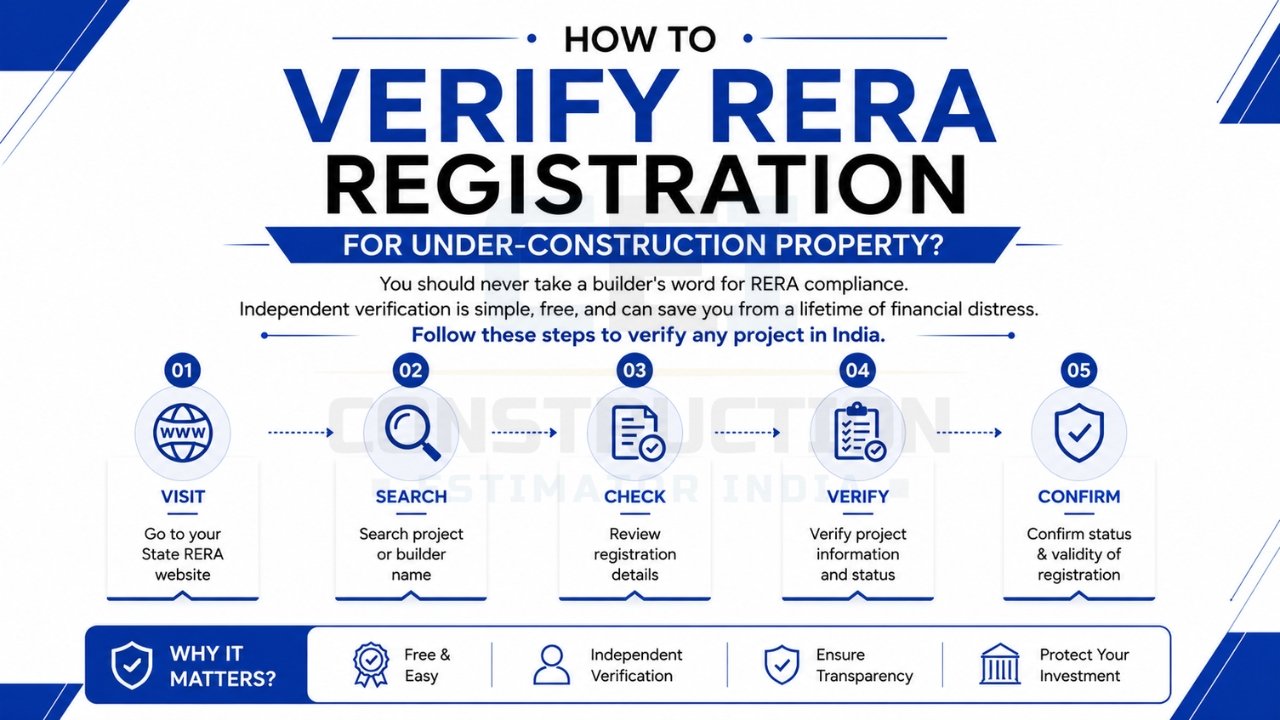
How to Verify RERA Registration for Under-Construction Property?
You should never take a builder’s word for RERA compliance. Independent verification is simple, free, and can save you from a lifetime of financial distress. Follow these steps to verify any project in India.
👉 Protect Your Real Estate Investment with Proper RERA Registration.
Step 1: Visit Official State RERA Portal
Each state has its own dedicated RERA authority and web portal for transparency (e.g., UP RERA: up-rera.in, Delhi RERA: rera.delhi.gov.in, Haryana RERA: haryanarera.gov.in).
- UP RERA: up-rera.in
- Delhi RERA: rera.delhi.gov.in
- Haryana RERA: haryanarera.gov.in
Visit these sites to access the most current and legally binding information about any project.
Step 2: Search “Registered Projects” Section
Once on the portal, look for sections labeled “Registered Projects,” “Project Search,” or “View Project Details”. These platforms are designed to promote transparency by maintaining an online database of all approved real estate projects. You don’t need to pay a fee or register an account to search for project information; it is public data intended for consumer protection.
Step 3: Enter Project Name or RERA Number
Ask your developer for the project’s RERA registration number. It typically follows a format like [State]-[District]-[Project]-[Number]. If the builder is hesitant to provide this, it is an immediate warning sign. You can search using the RERA number or the project name. If the project does not appear in the search results, it may not be registered, or the registration may have expired.
Step 4: Verify Missing Details (Red Flags)
Once you find the project, RERA mandates the disclosure of several critical documents. Verify the following on the porta
- Project Registration Date: Ensure it is current and has not expired.
- Approved Layout Plan: Does it match the brochures shown by the builder?
- List of Approvals: Verify that NOCs for fire, environment, and building sanctions are uploaded.
- Escrow Account: The bank details for the mandatory 70% account must be listed.
Red Flag: If the portal shows the project is “under investigation” or if critical approval documents are missing, stop all payments immediately.
Step 5: Check Complaint History
Many state RERA portals allow you to search for complaints filed against a project or a developer. If a specific project has dozens of active complaints regarding delays or poor construction quality in their core structure (learning what is RCC construction helps you spot these red flags), it indicates a high-risk investment.
Step 6: Verify Builder and Agent Registration
It is not just the project that must be registered; real estate agents, brokers, and middlemen must also be registered with RERA. Using an unregistered agent is illegal and leaves you without protection if the agent misleads you. Verify the agent’s RERA license number on the same state portal to ensure they are authorized to represent the developer.
What Documents Builder Must Upload on RERA Portal
Transparency is the core of RERA. A builder is legally required to “open their books” to the public. If these documents are not on the portal, the developer is in violation of Section 4 of the RERA Act.
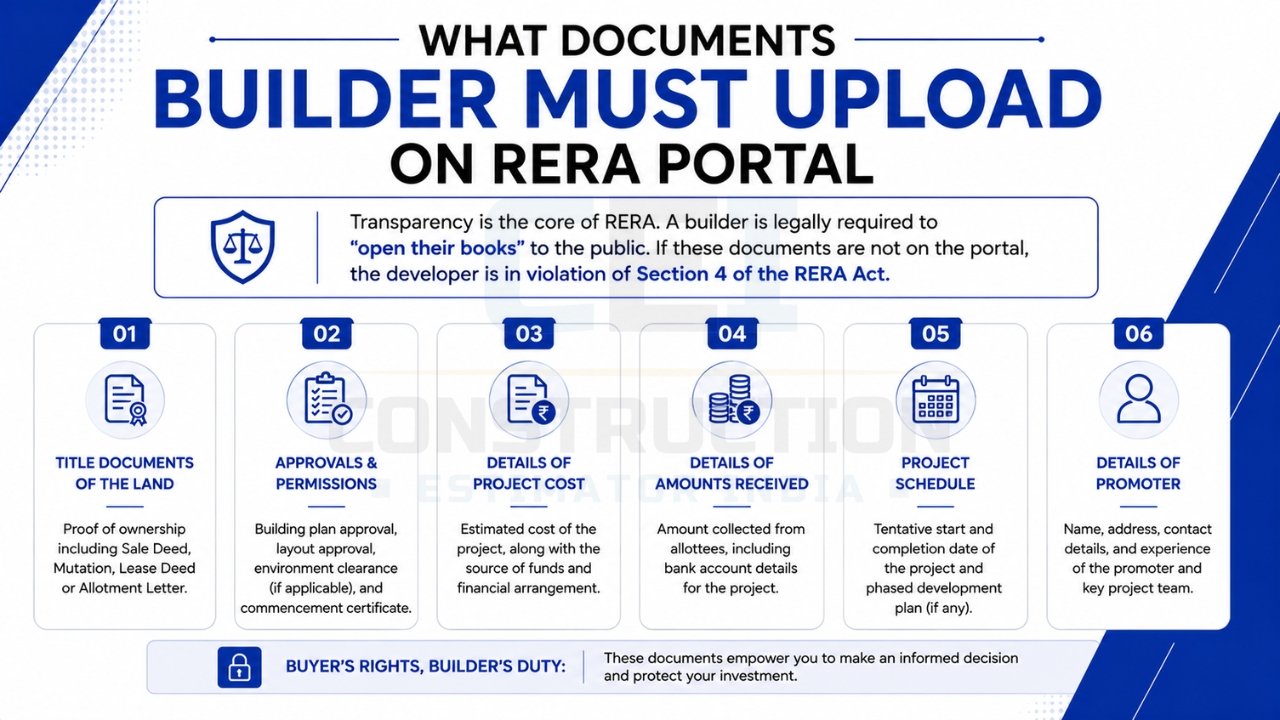
Promoter’s Legal Details
The portal must display the promoter’s name, registered address, contact information, and legal identity documents like PAN and Aadhaar. This ensures you know exactly who is responsible for your money. Cross-check these details with the ID provided by the sales representative to ensure they are authorized.
👉 Get Professional Guidance on RERA Documentation, Compliance, and Approval.
Past Projects Information
Developers must provide a list of all projects they have launched in the last five years, including their current status and any delays. If a builder has a history of incomplete projects, significant cost overruns, or refuses to transparently break down the plaster cost per square foot with material in India, it is a clear indicator of potential future trouble.
Approvals and Clearances
RERA mandates the upload of the “Commencement Certificate” and all mandatory NOCs, including fire safety, airport height clearances (AAI), and environmental clearances. Building without these approvals makes the structure “unauthorized” and subject to demolition. Never book a unit if the building plan sanction from the municipal authority (like DDA or Noida Authority) is not visible on the portal.
Escrow Account Details
To prevent the diversion of funds, 70% of the money collected from buyers must be deposited in a separate bank account (escrow). The builder must upload the details of this account, including the bank name and account number. This money can only be withdrawn in proportion to the completion of the project, as certified by an engineer and an architect.
Project Layout and Floor Plans
The portal should contain the approved site plan and floor plans for every level. These must match what you are being sold. Builders often show “tentative” plans in brochures, but only the RERA-uploaded plan is legally binding. This protects you from the builder later shrinking your room sizes or converting open areas into additional units.
Booking Details
Builders must update the number of apartments or plots booked and the remaining inventory. This transparency prevents double-selling units and gives you a realistic idea of the project’s demand and financial health.
Legal Consequences if Builder Doesn’t Register Under RERA
Construction without RERA registration is not just a minor oversight; it is a criminal offense under Indian law. Understanding these consequences helps you realize the gravity of buying in an unregistered project.
Criminal Offense: Fine or Imprisonment
Failure to register a project that meets the RERA thresholds is a punishable offense. The RERA authority can impose a penalty of up to 10% of the estimated cost of the real estate project. If the developer continues to violate the order, they face imprisonment for up to three years or an additional fine of 10% of the project cost, or both.
No Sale Without Registration
Legally, a builder “cannot make any sale” in a project that is not registered. Any Sale Agreement signed for an unregistered project that required registration is technically voidable. As a buyer, if you discover the project is unregistered, you have the legal right to cancel the booking and demand a full refund with interest.
Project Cannot Be Advertised
Advertising an unregistered project is illegal. This includes brochures, social media ads, websites, or newspaper listings. If you see an advertisement for an under-construction project that does not display a RERA registration number, you can report it to the state RERA authority. Authorities often issue “Suo Motu” notices to such builders, leading to heavy fines.
Buyer Can Refuse to Pay
If a project is not registered as required by law, the buyer is under no legal obligation to continue payments. You can halt all installments and issue a legal notice to the builder demanding registration. If you find yourself in this situation, contact Construction Estimator India at +91 8630676890 for a free legal consultation on RERA disputes. We help buyers protect their capital from unscrupulous developers.
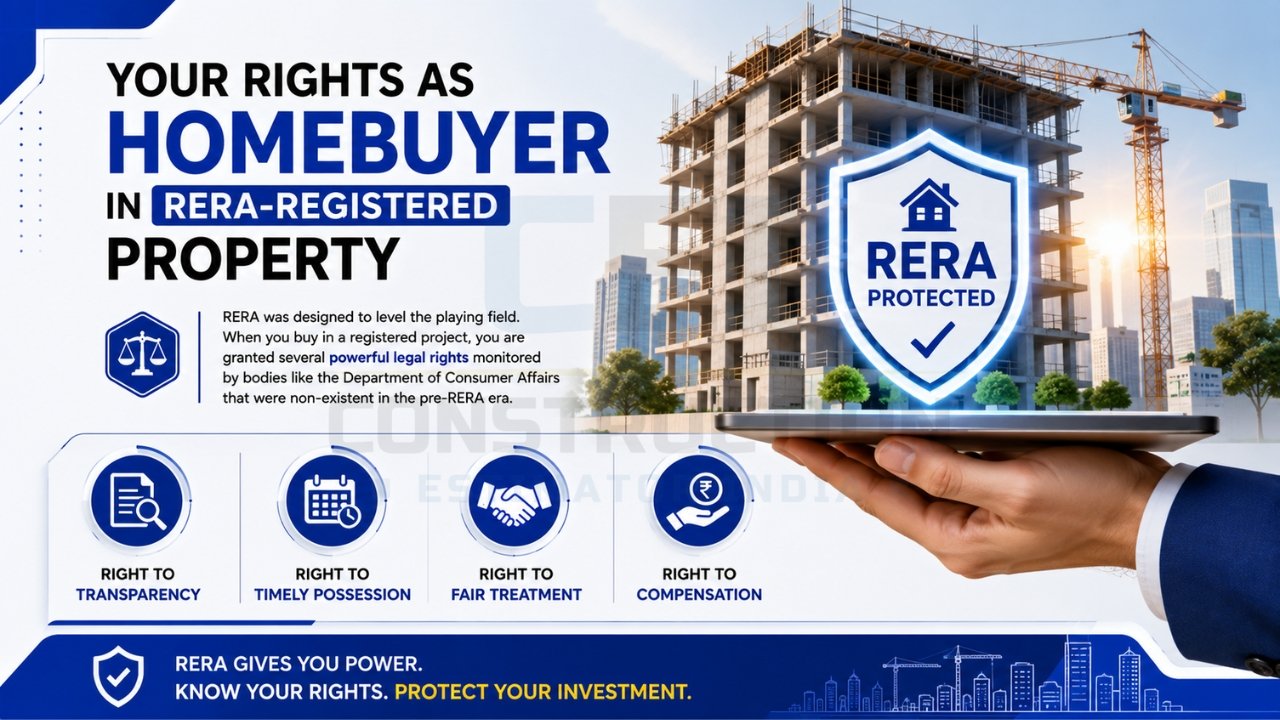
Your Rights as Homebuyer in RERA-Registered Property
RERA was designed to level the playing field. When you buy in a registered project, you are granted several powerful legal rights monitored by bodies like the Department of Consumer Affairs that were non-existent in the pre-RERA era.
Escrow Account Protection (70% Money Safety)
The mandatory 70% escrow account is your biggest safety net. It ensures that the funds you pay are used specifically for the construction and land costs of your project. Builders can no longer take your money to launch a second project while yours sits idle. This significantly reduces the risk of project abandonment.
👉 Planning an Under-Construction Project? Consult Our Experts Today.
7-Year Structural Defect Liability
The developer is responsible for fixing any structural defects or workmanship issues—whether it involves complex layouts or simply understanding the difference between RCC and brick construction in India—for a period of up to five to seven years. If cracks appear in the foundation (which emphasizes the importance of choosing correct foundation types for house construction in India) or the roof starts leaking within this period (often preventable if builders know how to use white cement for waterproofing in India), the builder must repair it free of cost within 30 days.
Exact Area Guarantee (Carpet Area)
Before RERA, builders sold property based on “Super Built-up Area,” which included common spaces like lobbies and elevators, often leading to confusion about the actual living space. RERA mandates that all sales be based on “Carpet Area”—the actual area within the walls where you can lay a carpet. If the final delivered area is less than what was promised in the agreement, the builder must refund the difference with interest.
On-Time Completion Guarantee
The builder must provide a specific date for completion on the RERA portal. If they fail to deliver possession by that date, they are liable to pay you interest for every month of delay. Under the law, both the promoter and the buyer are liable to pay an equal rate of interest (usually 10-12% per annum) for any default.
Full Refund if Project Stopped
If the project is abandoned or delayed significantly, you have the right to withdraw from the project. In such cases, the builder must refund the entire amount you paid, along with interest and compensation as determined by the RERA authority.
Fast Dispute Resolution (RERA Tribunal)
If you have a dispute with a builder, you can file a complaint online with the RERA authority (Form M) or the Adjudicating Officer (Form N). These bodies are mandated to resolve disputes quickly, usually within 60 to 90 days. This is a massive improvement over civil courts, where real estate cases can drag on for decades.
What to Do If You Bought Unregistered Under-Construction Property?
If you discover that the project you invested in is not RERA-registered despite meeting the mandatory thresholds, you must act immediately to minimize your risk.
Step 1: Demand RERA Registration Immediately
Issue a formal, written notice to the developer demanding that they register the project with the state RERA authority within a fixed timeline (e.g., 30 days). Mention that you are aware of the legal thresholds (500 sqm or 8 units) and the penalties for non-compliance.
Step 2: Cancel Booking and Demand Full Refund
Since a sale without registration is illegal, you have the right to cancel the contract. Demand a full refund of all amounts paid, including taxes and registration fees, along with interest (typically 10-12% annually) from the date of each payment.
Step 3: File Complaint with RERA Authority
If the builder refuses to register or refund your money, file a formal complaint with your State RERA Authority. You can do this online by filling out Form M. The authority has the power to stop the construction, freeze the builder’s bank accounts, and impose heavy fines until the builder complies or refunds the buyers.
Step 4: Stop All Payments
Do not throw good money after bad. Once you identify a project is unregistered and in violation of the law, stop all future installment payments. Inform the builder in writing that you are withholding payments until the project is legally compliant under RERA.
Step 5: Consult a Legal Expert
RERA disputes involve complex legal filings and evidence of payment. Construction Estimator India offers free legal consultation for RERA disputes at +91 8630676890. We help you draft the necessary notices and guide you through the process of recovering your hard-earned money from unauthorized projects.
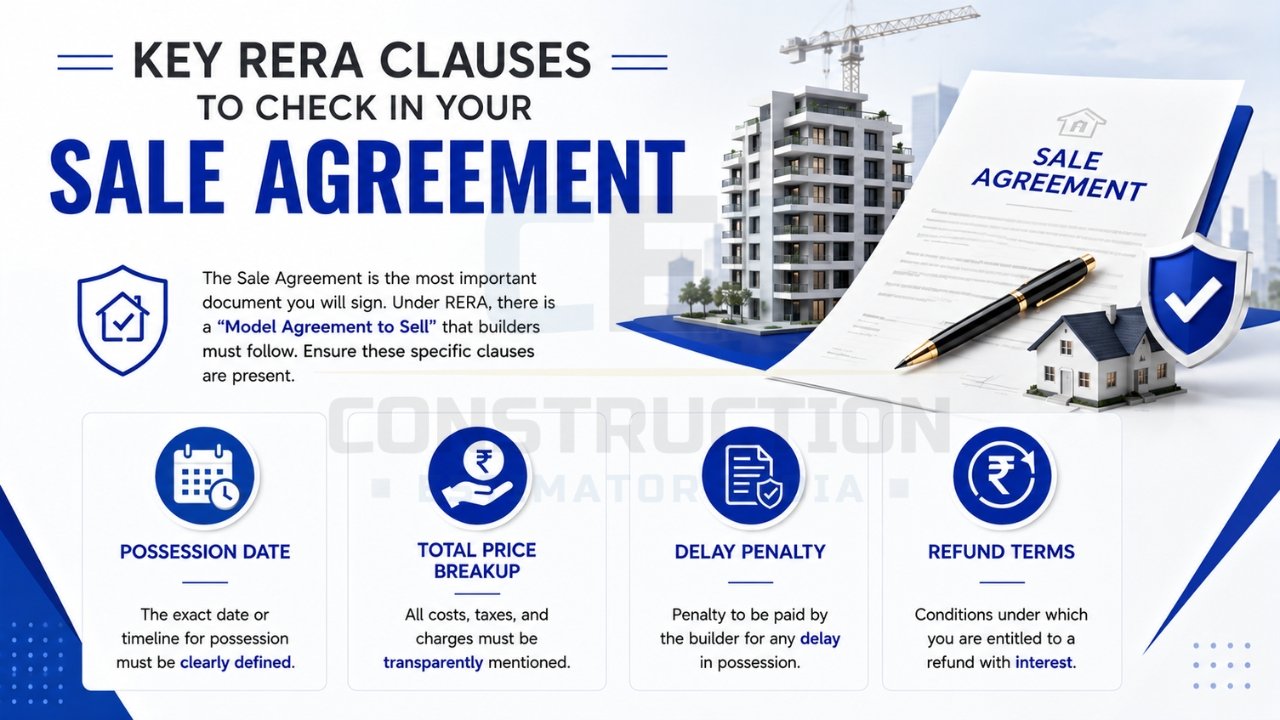
Key RERA Clauses to Check in Your Sale Agreement
The Sale Agreement is the most important document you will sign. Under RERA, there is a “Model Agreement to Sell” that builders must follow. Ensure these specific clauses are present.
Carpet Area (Not Super Area) Clause
The agreement must explicitly state the carpet area of the unit in square feet or meters. If it only mentions “super built-up area,” it is not RERA-compliant. This clause protects you from area fraud and ensures you get exactly what you pay for.
👉 Make Your Property Project RERA-Compliant with Trusted Professional Guidance.
Completion Date with Penalty Clause
There must be a clear “Date of Possession.” The agreement should also specify that if the builder fails to deliver by this date, they will pay interest for every month of delay at the rate prescribed by RERA (usually SBI MCLR + 2%).
Escrow Account Clause
Check if the agreement mentions that 70% of your payments will be deposited into the project-specific escrow account. This provides you with the peace of mind that your money is staying within your project.
Defect Liability Clause
The agreement must include the 7-year structural defect warranty to cover major issues and even minor flaws like knowing which grade cement is best for plastering in India. This ensures that the developer remains accountable.
When to Contact Construction Estimator India for RERA Help
Buying property is likely the biggest investment of your life. Don’t leave it to chance. Construction Estimator India provides the technical and legal oversight needed to ensure a safe purchase.
Contact us at +91 8630676890 if:
- You need independent RERA verification for an under-construction project.
- You want a legal consultation for an ongoing RERA dispute or delay.
- You require property due diligence before booking to check land titles and approvals.
- You are unsure if your builder’s Sale Agreement is RERA-compliant.
We offer:
- Free RERA Verification Consultation
- Free Legal Consultation for RERA Disputes
- Free Property Due Diligence
FAQs: RERA for Under-Construction Property
Q1: Is RERA registration mandatory for all under-construction properties?
It is mandatory for projects with a land area > 500 sqm or more than 8 apartments.
Q2: How do I verify if my property is RERA registered?
Visit your state’s RERA portal (e.g., UP-RERA) and search by project name or registration number.
Q3: What if the builder says RERA is not mandatory for my project?
Check the plot size and unit count. If it exceeds the thresholds (500 sqm/8 units), the builder is likely misrepresenting the law.
Q4: Can I buy an unregistered under-construction property?
It is highly discouraged. You will have no legal protection under the RERA Act, and the construction may be deemed “unauthorized” and demolished.
Q5: What documents should the builder upload on the RERA portal?
Approvals, floor plans, promoter details, past project history, and escrow account details.
Q6: What happens if the builder doesn’t register under RERA?
They face fines up to 10% of the project cost and potential imprisonment.
Q7: How does the escrow account protect me?
It prevents the builder from using your money for other projects, ensuring funds are available for your building’s completion.
Q8: What is the 7-year defect liability period?
The builder must repair structural defects or poor workmanship for free for up to 7 years post-possession.
Q9: How do I file a complaint with the RERA authority?
You can file a complaint online on the state RERA portal using Form M and paying the nominal fee.
Q10: Can I get a refund if the project is unregistered?
Yes, since the sale is illegal, you can demand a full refund with interest.
Q11: Does RERA apply to ready-to-move properties?
If the property received its Completion Certificate before RERA was implemented, it may be exempt. However, new ready-to-move units must still follow RERA standards.
Q12: How do I contact Construction Estimator India for RERA help?
WhatsApp or Call us at +91 8630676890 for a free consultation.
Contact Construction Estimator India for RERA Services
Don’t let your dream home become a legal nightmare. Construction Estimator India acts as your professional liaison to ensure your real estate journey is 100% compliant and secure.
Company: Construction Estimator India
WhatsApp/Call: +91 8630676890
Services: Free RERA Verification, Legal Dispute Consultation, and Property Due Diligence.
Conclusion: Verify RERA Before Booking Under-Construction Property
Registration of all real estate projects and agents is mandatory under RERA to ensure transparency and accountability. No sale in a real estate project can be made without this registration if the project exceeds 500 square meters or eight apartments. Failure to register is a serious offense punishable by heavy fines and imprisonment.
For every homebuyer, the message is clear: Verify RERA before you pay. This simple step protects you from fraud, ensures your money stays in an escrow account, and gives you a fast-track legal remedy if things go wrong. Both the promoter and the buyer are held to high standards of fairness, with equal interest rates for defaults.
Construction Estimator India is committed to promoting transparency in the real estate sector. Use our free RERA verification consultation at +91 8630676890 to break ground on your new home with confidence. Build smart, build legal, and protect your investment for generations to come.