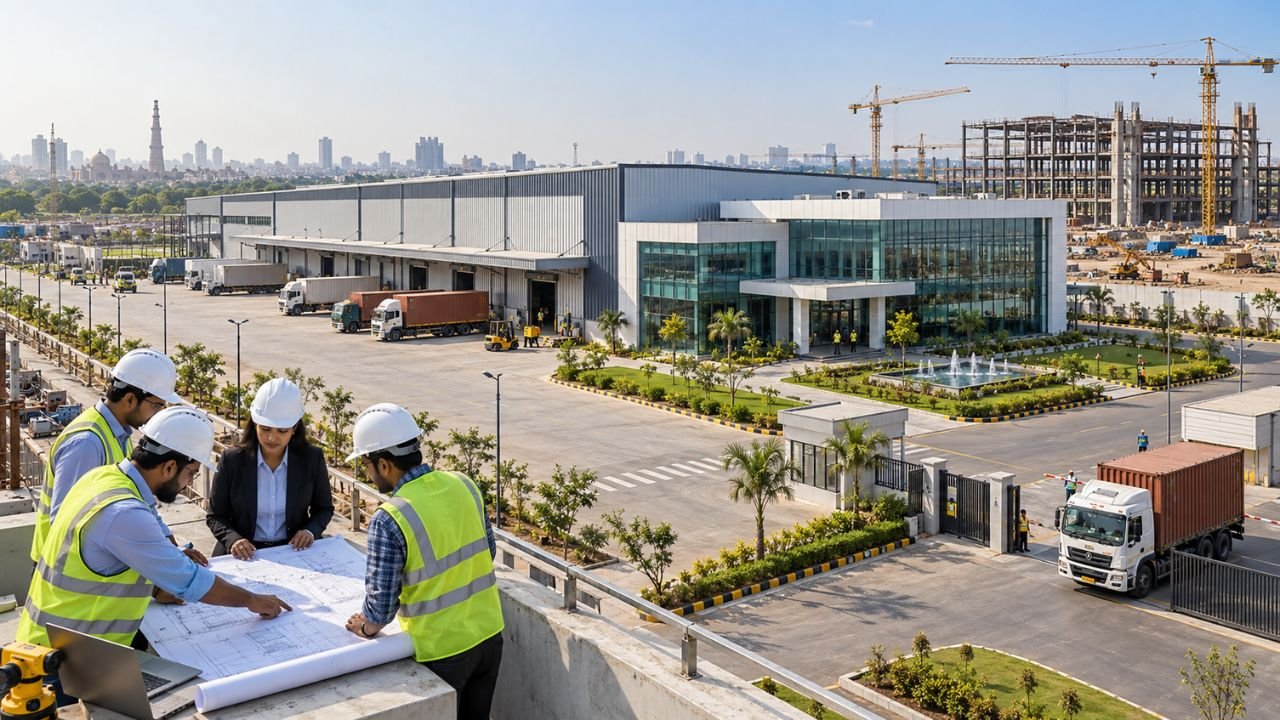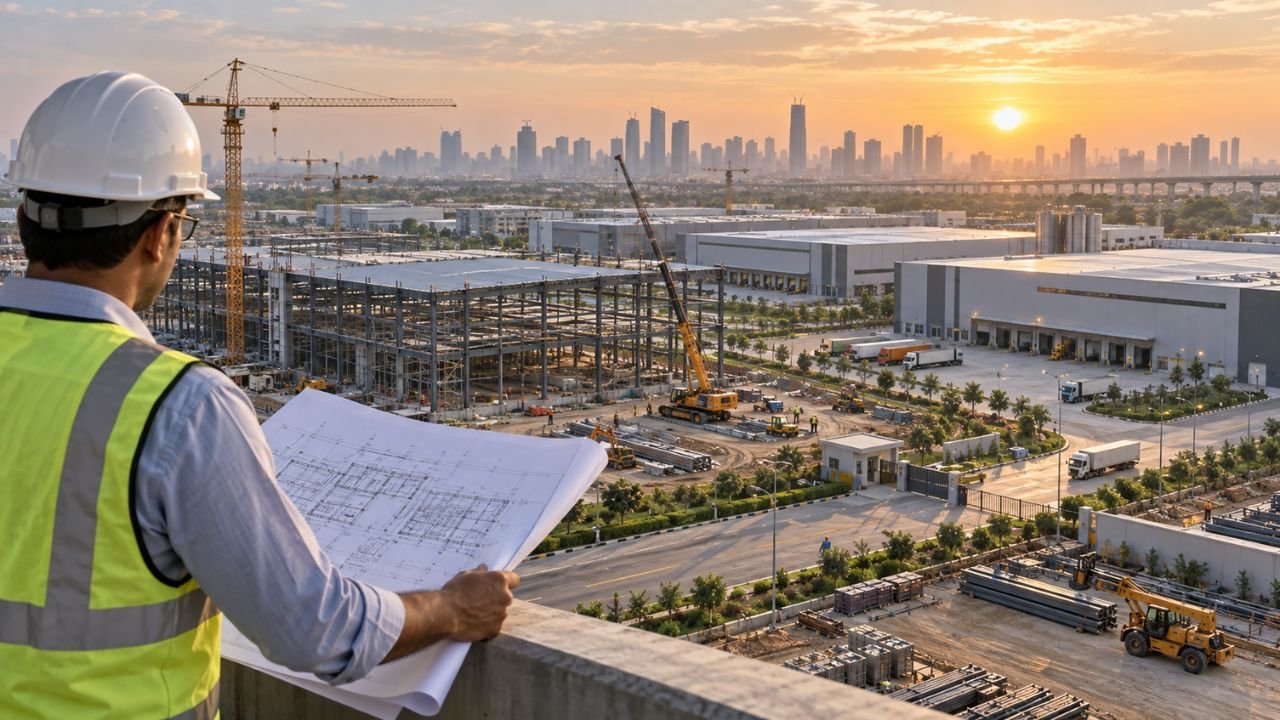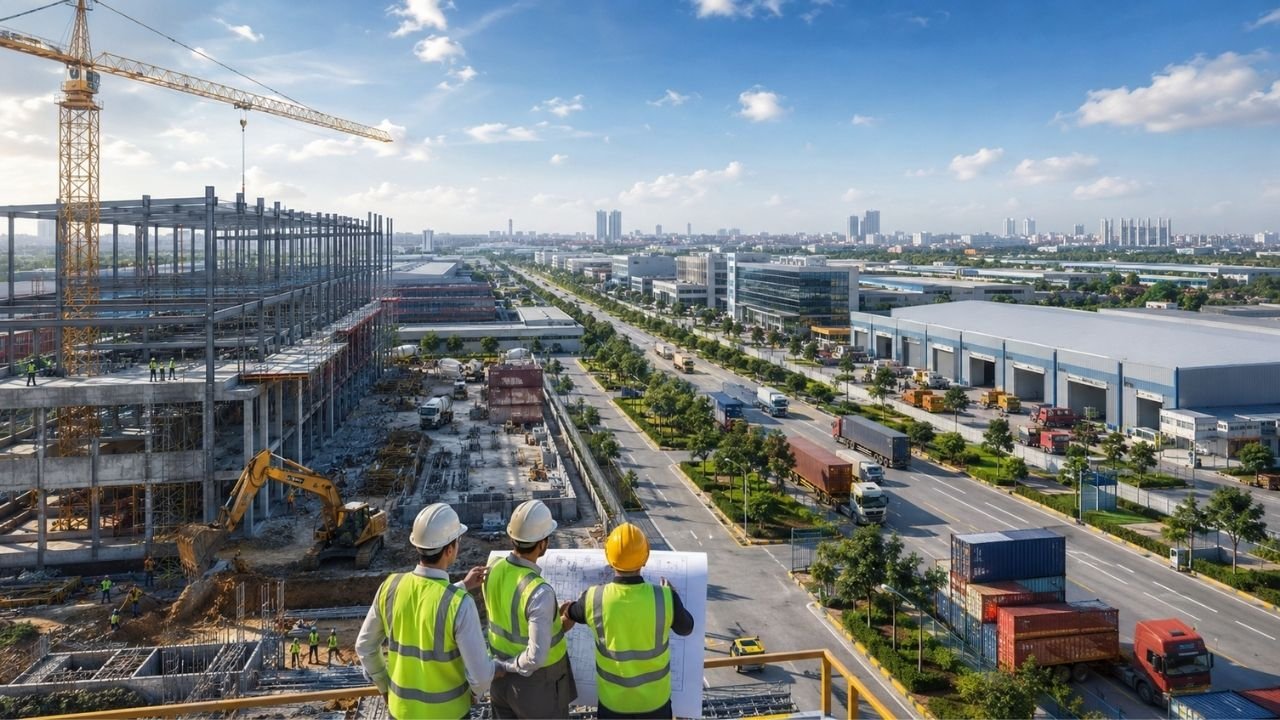
If you have been in the Indian construction industry for more than a minute, you know the drill: cement prices spike overnight, labor disappears right before a critical slab casting, and your site engineers are still scribbling material receipts on the back of cigarette packets. By the time that data reaches the head office, your profit margins have already evaporated. In 2026, the complexity of managing a project—whether it’s a boutique villa in Goa or a massive highway project in Delhi NCR—has reached a breaking point.
Indian construction firms today face a brutal combination of 10-30% cost overruns and 20-25% productivity losses due to manual billing and material waste. If you aren’t using a digital backbone, you aren’t just behind; you are bleeding money. This guide is designed to help you navigate the landscape of the best construction ERP software in India to find a solution that actually works on a dusty Indian site, not just in a fancy boardroom presentation.
Why Construction Companies Need ERP Software in 2026?
The “Chalta Hai” attitude towards project management is dead. In 2026, the regulatory environment with RERA and GST has become too tight for spreadsheets. A dedicated ERP isn’t a luxury anymore; it’s a survival kit.
The shift from traditional methods to digital tools offers three primary pillars of value:
- Real-Time Control: Seeing your daily progress vs. your Bill of Quantities (BOQ) allows you to catch material theft or over-consumption before it ruins the month’s budget.
- Compliance and Professionalism: Automated RA billing and GST-ready reporting ensure you stay on the right side of the law while looking professional to your clients and investors.
- Predictive Accuracy: Modern tools now use AI to forecast risks, helping you understand how a delay in one project impacts your entire cash flow.
Implementing the right system can lead to a 15-25% cost saving and a return on investment within 6 to 18 months.
Top 10 Construction ERP & Management Software in India 2026
Choosing the right tool depends entirely on your scale. Here is my expert breakdown of the top 10 construction ERP software in India and their management counterparts.
1. biCanvas
biCanvas has established itself as the gold standard for large-scale EPC (Engineering, Procurement, and Construction) firms in India. Its strength lies in its deep Business Intelligence (BI) analytics, which transform raw site data into actionable insights.
- Key Features: Advanced BI dashboards, multi-currency support, complex BOQ integration, and automated procurement workflows.
- Best Suited For: Large enterprise EPC firms and multi-state developers.
- Pricing: Enterprise-level (typically ₹15 Lakh+ depending on modules).
- Pros: Incredible data visualization; handles massive data volumes without lag.
- Cons: High learning curve; requires a dedicated IT team or champion to manage.
- User Feedback: Users love the “one-truth” dashboard that keeps all stakeholders on the same page.
2. BuildNext
For residential builders, BuildNext is often the first recommendation. It bridges the gap between design and execution beautifully.
- Key Features: VR planning integration, mobile-first site tracking, and built-in material libraries.
- Best Suited For: Mid-sized residential builders and villa developers.
- Pricing: Mid-range; flexible based on project count.
- Pros: Very user-friendly; excellent at managing the “customer experience” side of construction.
- Cons: Can feel a bit restrictive for non-residential infrastructure projects.
- User Feedback: Builders frequently cite the VR feature as a major selling point for closing new clients.
3. Ramco ERP
Ramco is the heavy hitter when it comes to AI-driven risk prediction. It is one of the few Indian-origin ERPs that competes globally on technical sophistication.
- Key Features: AI-driven risk alerts, facial recognition for labor attendance, and end-to-end supply chain automation.
- Best Suited For: Large construction conglomerates looking for “smart” automation.
- Pricing: Custom enterprise quotes.
- Pros: Best-in-class labor management; reduces “ghost labor” costs significantly.
- Cons: Implementation can be long and expensive.
- User Feedback: Companies appreciate the proactive alerts that flag potential budget blowouts before they happen.
4. Xpedeon
If you are looking for a construction project management software comparison, Xpedeon will always be near the top for its comprehensive coverage of the project lifecycle.
- Key Features: Tender management, sub-contractor portals, and detailed job costing.
- Best Suited For: Infrastructure companies and large general contractors.
- Pricing: Mid-to-high enterprise pricing.
- Pros: Deeply specialized for construction; doesn’t feel like a generic ERP “adapted” for builders.
- Cons: UI can feel a bit dated compared to newer SaaS players.
- User Feedback: Highly rated for its ability to handle complex sub-contractor billing.
5. CONWORX
Specifically popular among civil contractors in the Delhi NCR region, CONWORX focuses on the synchronization between the site office and the head office.
- Key Features: Localized RA billing, material procurement with RFID tracking, and offline mobile access.
- Best Suited For: Infrastructure and civil contractors.
- Pricing: Competitive, starting around ₹3-5 Lakh for basic modules.
- Pros: Excellent local support; understands Indian site conditions (like low connectivity).
- Cons: Limited international reporting features.
- User Feedback: Contractors love the RFID integration for preventing material theft.
6. ERPNext
As an Indian-born open-source giant, ERPNext is the best open source construction estimating software in India for those who want total control over their data.
- Key Features: Native Indian GST support, open API for integrations, and robust project accounting.
- Best Suited For: Tech-savvy contractors and firms with internal IT capabilities.
- Pricing: Free (Self-hosted) or affordable cloud hosting.
- Pros: Zero licensing fees; highly customizable for local material units.
- Cons: Requires technical knowledge to set up and maintain.
- User Feedback: Users praise the flexibility to add custom fields for specific Indian labor laws.
7. Odoo (Community & Enterprise)
Odoo is the world’s most modular ERP. In the Indian market, it is frequently used by small-to-mid firms who want to start small and grow.
- Key Features: Thousands of modules (Inventory, Accounting, CRM), mobile-first design, and vast developer ecosystem.
- Best Suited For: best construction ERP for small contractors and growing builders.
- Pricing: Modular (pay for what you use); very budget-friendly.
- Pros: Gorgeous UI; very easy for site engineers to learn.
- Cons: Costs can add up quickly as you add more “apps” or modules.
- User Feedback: Praised for its simplicity and the ability to run the entire site from a smartphone.
8. Tally Prime
While technically an accounting software, Tally Prime remains the backbone of thousands of Indian construction firms due to its unmatched ease in financial compliance.
- Key Features: Best-in-class GST filing, simple journal entries, and basic inventory tracking.
- Best Suited For: Small contractors focused primarily on accounting and tax compliance.
- Pricing: Very affordable (₹20,000 – ₹60,000 range).
- Pros: Every accountant in India knows how to use it; extremely fast data entry.
- Cons: Lacks deep project management, BOQ, or site-tracking features.
- User Feedback: “It just works” for taxes, but contractors often find they need a second tool for site management.
9. RDash
RDash is a newer, mobile-first entrant that targets the massive interior design and small-scale renovation market in India.
- Key Features: Daily progress reports (DPR), image uploads from site, and simple client dashboards.
- Best Suited For: Interior designers and small renovation contractors.
- Pricing: Low monthly subscription.
- Pros: Extremely lightweight; can be set up in a single day.
- Cons: Not suitable for large-scale civil engineering or heavy infra.
- User Feedback: Users appreciate the “WhatsApp-like” simplicity of updating site progress.
10. SAP Business One
For the developer who wants the ultimate “adult” ERP with global standards, SAP Business One is the go-to choice for enterprise-grade reporting.
- Key Features: Robust financial consolidation, multi-company management, and deep audit trails.
- Best Suited For: Large developers with significant turnover.
- Pricing: High (₹20 Lakh+).
- Pros: Impeccable data security and audit readiness.
- Cons: Expensive; requires disciplined data entry from all staff.
- User Feedback: Considered the “gold standard” for companies planning an IPO or seeking large institutional funding.
Head-to-Head Comparison of Top Construction ERP Tools
To help you visualize the market, I’ve put together this top 10 construction management software in India comparison table.
| Software Name | Primary Target Segment | Mobile App Support | GST/RERA Support | Est. Pricing (INR) | Ease of Use |
|---|---|---|---|---|---|
| biCanvas | Large EPC / Enterprise | High | Native | ₹15L – ₹40L+ | Moderate |
| BuildNext | Residential Builders | High | Native | Project-based | High |
| Ramco ERP | Conglomerates | High | Native | Enterprise | Moderate |
| Xpedeon | Infrastructure / GC | Moderate | Native | ₹10L – ₹25L | Moderate |
| CONWORX | Civil Contractors | High | Native | ₹3L – ₹8L | High |
| ERPNext | Tech-Savvy Firms | Moderate | Native | Free – ₹2L | Moderate |
| Odoo | Small/Mid Builders | High | Module-based | ₹1L – ₹5L | High |
| Tally Prime | Small Contractors | Basic | Native | ₹20k – ₹60k | High |
| RDash | Interior/Small Renovation | High | Basic | ₹2k/month | Very High |
| SAP B1 | Large Developers | Moderate | Native | ₹20L+ | Low |
How to Choose the Right Construction ERP Software for Your Business?
Buying an ERP is like buying a crane—if you get one that’s too small, it won’t do the job; if it’s too big, you’ll waste a fortune on fuel and maintenance. Here is my 3-step guide to choosing your construction estimating software India 2026.
- Define Your Pain Point: Are you losing money on material theft? Go for CONWORX or Ramco. Is your client communication a mess? BuildNext or RDash is your winner. If your accountant is crying during GST season, Tally or ERPNext is the fix.
- Evaluate Site Readiness: If your site engineers are not tech-savvy, do not buy a complex enterprise ERP like SAP. Start with a mobile-first tool like Odoo to build the habit of digital data entry first.
- Check the “Integration” Factor: Ensure your ERP can import data from your estimation software. If you are using a construction estimating software India 2026 service, ensure the outputs can be easily mapped to your new ERP to avoid double data entry.
Open Source vs Paid Construction Software – Which One Should You Pick?
This is a question I get asked at every seminar. If you have an internal person who understands a bit of coding or server management, the best open source construction estimating software in India like ERPNext or Odoo Community is a no-brainer. You save lakhs in licensing fees and can customize the software to match your specific workflow exactly.
However, if you are a builder who just wants to focus on construction and “wants things to work,” a paid SaaS or Enterprise solution is better. You pay for the support, the updates, and the peace of mind that your data is backed up and compliant without you lifting a finger.
Frequently Asked Questions (FAQs)
- How much does a construction ERP cost in India?
Prices range from ₹2,000/month for simple tools like RDash to over ₹20 Lakh for enterprise solutions like biCanvas or SAP. Mid-range solutions typically cost between ₹3-8 Lakh for a standard implementation. - Can these tools handle Indian GST?
Yes, most top-tier Indian tools like ERPNext, biCanvas, and Tally have native GST modules. - Do site engineers need internet 24/7 to use these?
Many modern tools like CONWORX and BuildNext offer “offline modes” where data can be entered at the site and synced once the engineer reaches a Wi-Fi zone. - What is the difference between ERP and Project Management software?
ERP (Enterprise Resource Planning) covers everything including HR, finance, and payroll. Management software focuses purely on site progress, schedules, and BOQs. - How long does it take to implement?
A simple tool can be ready in 1 week. A full enterprise ERP implementation usually takes 3 to 6 months to reach a “success rate” of 90%. - Will ERP software help with RERA compliance?
Yes, by maintaining accurate records of fund utilization and project milestones, ERPs make RERA reporting significantly easier. - Can I integrate my existing Excel sheets?
Most modern systems allow for bulk Excel imports for BOQs and material lists to speed up the transition. - Is my data safe in the cloud?
Yes, most reputable providers use AWS or Azure servers with high-level encryption, which is often safer than keeping paper records in a site office.
Conclusion
The Indian construction landscape in 2026 is no place for the unorganized. Whether you are a small contractor looking for the best construction ERP for small contractors or a massive firm evaluating the top 10 construction ERP software in India, the goal is the same: transparency and control.
Don’t wait for a major project loss to trigger your digital transformation. Start by auditing your needs, taking a few demos, and perhaps starting with a modular tool like Odoo or an open-source option like ERPNext. If you need a hand in shortlisting the right tool or mapping your estimation data to a new system, reach out to us at Person at Construction Estimator India for a free consultation via Place. Your future profit margins depend on the decisions you make today.
Need expert help picking the right software?
Contact Person at Construction Estimator India for a personalized software audit and ROI calculation.