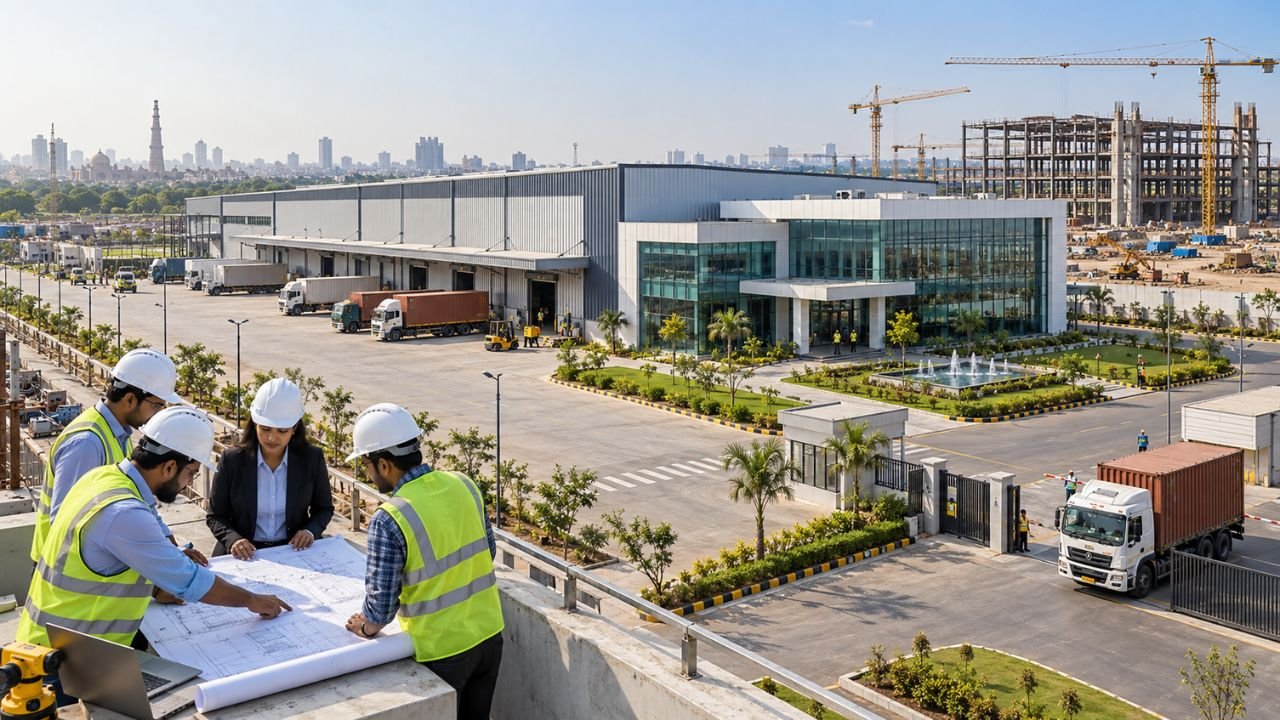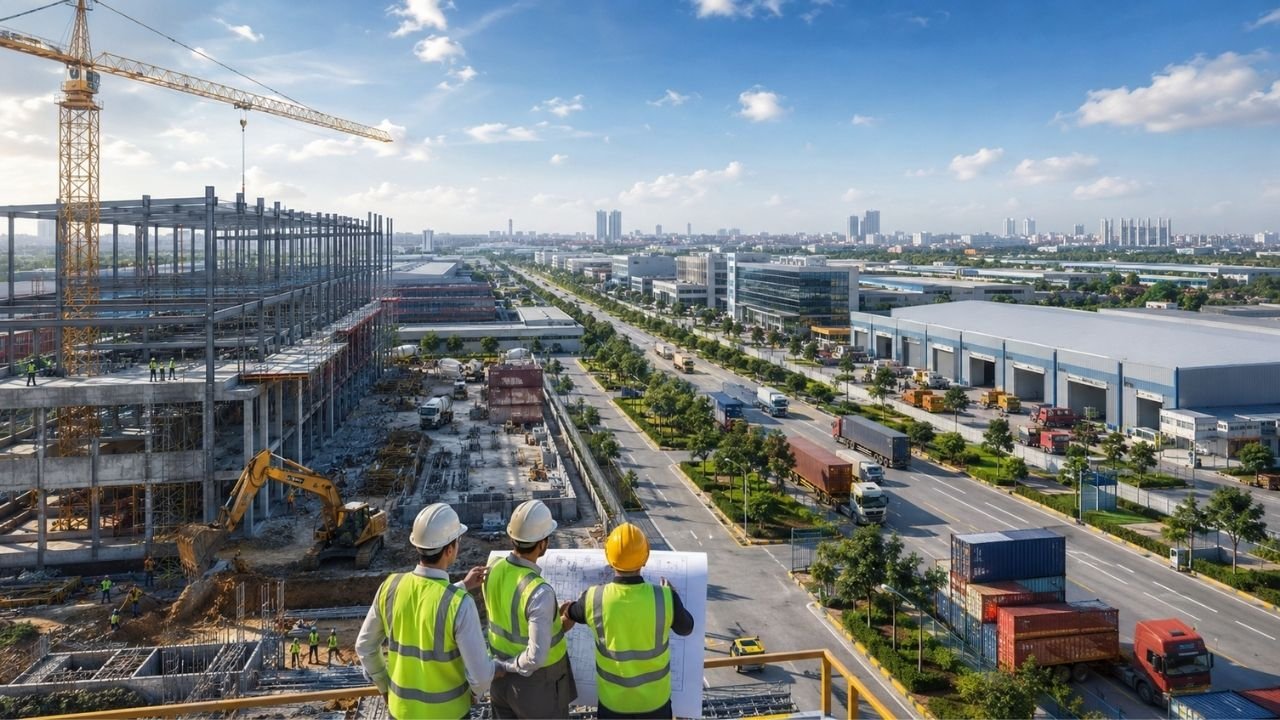
The global Construction & Mining industry is undergoing a structural transformation, driven by innovation, sustainability, and efficiency. One of the most disruptive trends reshaping the sector is modular construction—a method that is rapidly gaining traction across residential, commercial, and industrial projects. According to the latest insights from, the Modular Construction Market is witnessing robust expansion, presenting lucrative opportunities for contractors, developers, and infrastructure stakeholders worldwide.
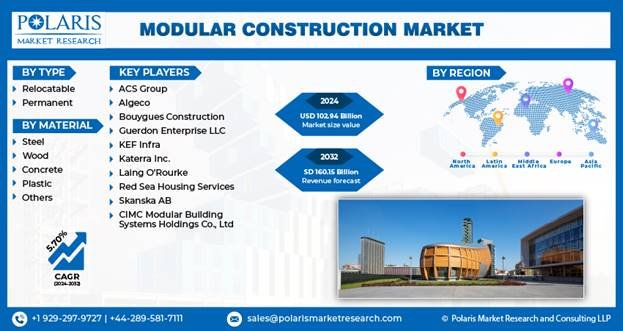
Valued at approximately USD 92.57 billion in 2023, the market is projected to grow at a steady CAGR of 5.70% through 2032, reaching nearly USD 160.15 billion. This growth reflects a paradigm shift from traditional on-site construction methods toward faster, cost-efficient, and environmentally sustainable building practices.
Modular Construction: Redefining Modern Infrastructure
Modular construction refers to the off-site fabrication of building components in controlled factory environments, followed by transportation and on-site assembly. This approach significantly reduces construction timelines—often by 20% to 50% compared to conventional methods—while maintaining high-quality standards.
The method aligns perfectly with the evolving needs of the Construction & Mining industry, where time efficiency, labor optimization, and cost control are critical. By shifting a substantial portion of construction activities off-site, companies can mitigate risks associated with weather delays, labor shortages, and material wastage.
Key Market Drivers Fueling Growth
The rapid expansion of the modular construction market is being driven by several macroeconomic and industry-specific factors:
- Urbanization & Infrastructure Boom: Rapid urban growth in emerging economies is accelerating demand for scalable and fast-track construction solutions.
- Sustainability & Green Building Standards: Increasing adoption of certifications such as LEED and BREEAM is pushing developers toward eco-friendly modular techniques.
- Cost Efficiency & Waste Reduction: Factory-based production minimizes material waste and enhances resource optimization.
- Labor Shortages: Modular construction reduces dependency on on-site labor, a critical advantage in regions facing workforce constraints.
- Government Initiatives: Policy support and incentives for affordable housing and infrastructure projects are accelerating adoption.
Additionally, the integration of advanced technologies such as Building Information Modeling (BIM), automation, and lean manufacturing is further enhancing efficiency and scalability in modular construction processes.
𝐃𝐨𝐰𝐧𝐥𝐨𝐚𝐝 𝐅𝐫𝐞𝐞 𝐒𝐚𝐦𝐩𝐥𝐞 𝐑𝐞𝐩𝐨𝐫𝐭 
Expanding Applications Across Construction & Mining
Modular construction is no longer limited to temporary structures or residential housing. It is increasingly being deployed across diverse sectors, including:
- Commercial Infrastructure: Offices, retail spaces, and hotels
- Healthcare Facilities: Hospitals and modular clinics
- Mining & Remote Operations: Workforce accommodations and site offices
- Educational Institutions: Schools and university buildings
Its adaptability makes it particularly valuable for mining operations in remote locations, where traditional construction can be logistically challenging and cost-intensive.
Regional Insights: Asia-Pacific Leads the Charge
The Asia-Pacific region currently dominates the modular construction market, driven by rapid industrialization, urban expansion, and large-scale infrastructure investments. Countries such as China and India are at the forefront, leveraging modular techniques to address housing shortages and accelerate urban development.
Meanwhile, North America is expected to witness the fastest growth during the forecast period, supported by technological advancements and increasing demand for sustainable construction solutions.
Emerging Trends Shaping the Future
Several transformative trends are redefining the modular construction landscape:
- Permanent Modular Construction (PMC): Gaining popularity for long-term infrastructure projects
- Digitalization & Smart Manufacturing: Enhancing precision and reducing project timelines
- Sustainable Materials: Increased use of recycled and low-carbon materials
- Design Flexibility: Modern modular buildings now offer architectural sophistication comparable to traditional structures
Moreover, the rising demand for affordable housing and rapid urban infrastructure development is expected to unlock new revenue streams for industry players.
Competitive Landscape and Industry Leaders
The modular construction market is highly competitive, with key players focusing on innovation, strategic partnerships, and geographic expansion. Prominent companies include ACS Group, Bouygues Construction, Skanska AB, Laing O’Rourke, and CIMC Modular Building Systems, among others.
These companies are investing heavily in R&D and advanced manufacturing technologies to enhance their modular capabilities and maintain a competitive edge.
Challenges to Address
Despite its advantages, modular construction faces certain challenges:
- Limited Awareness: Lack of understanding among stakeholders can hinder adoption
- Logistical Constraints: Transportation of large modules requires careful planning
- Design Limitations: Standardization may restrict customization in some projects
However, ongoing technological advancements and increased industry awareness are expected to mitigate these challenges over time.
Strong Outlook for Stakeholders
For stakeholders in the Construction & Mining industry, modular construction represents a significant opportunity to enhance project efficiency, reduce costs, and meet sustainability goals. As global infrastructure demands continue to rise, modular construction is poised to become a cornerstone of modern building practices.
Companies that embrace this transformative approach early will be better positioned to capitalize on emerging opportunities and navigate the evolving construction landscape.
Conclusion
The Modular Construction Market is on a strong growth trajectory, driven by innovation, sustainability, and the need for faster project delivery. With its ability to revolutionize traditional construction methods, modular construction is not just a trend—it is the future of the Construction & Mining industry.
Read More: https://www.
Contact Us
Shubham Kadam
Sr Researcher
Phone: +1 929-297-9727
Polaris Market Research and Consulting