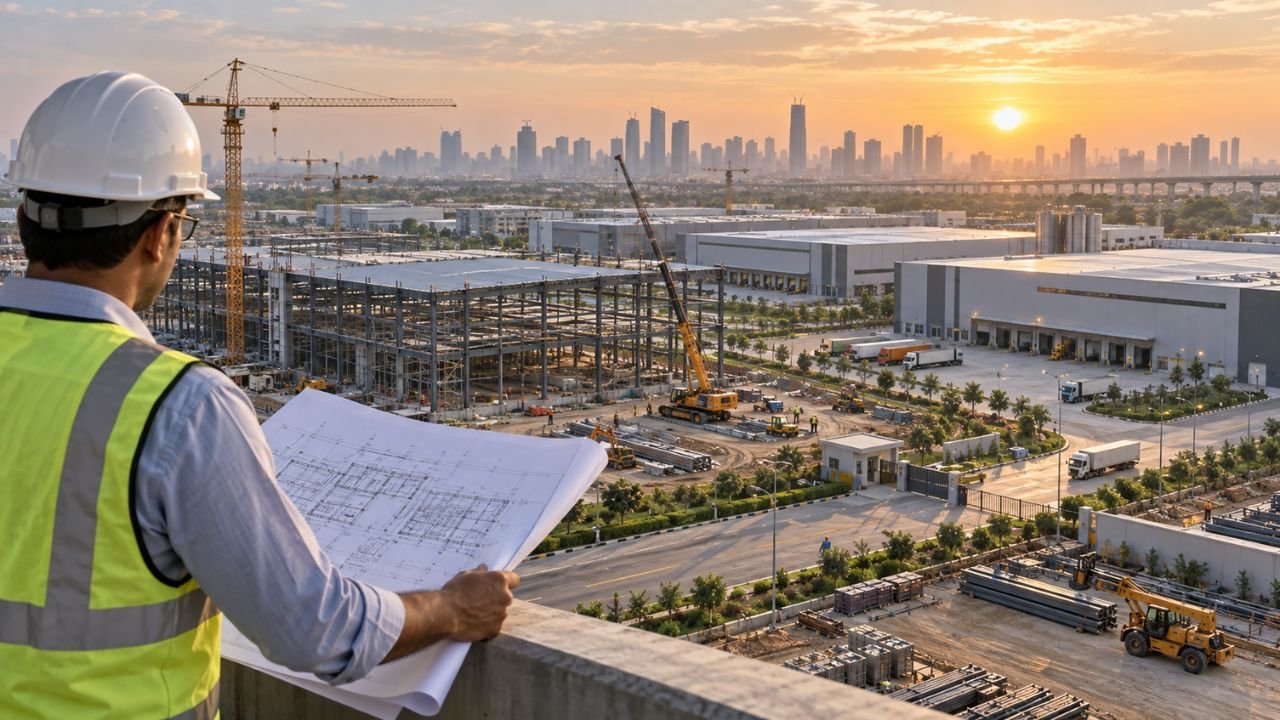

Introduction to Chatbots and Their Importance in Business
Chatbots are automated programs designed to simulate human conversation, enabling businesses to interact with customers seamlessly. They function using pre-defined scripts and artificial intelligence (AI) to engage users through text or voice, providing quick responses to inquiries. These digital assistants act as a bridge between businesses and customers, delivering real-time information and assistance.
The adoption of chatbots in various business sectors extends from retail to service industries, with significant implications for operational efficiency and customer satisfaction. In particular, the drywall industry is beginning to recognize the transformative potential of chatbots for drywall business growth. By integrating a chatbot for drywall contractors or builders on their websites, these businesses can enhance their customer interaction processes and streamline operations.
One of the primary advantages of employing a chatbot for construction business purposes is their ability to manage frequently asked questions, thus freeing up human resources to concentrate on more complex tasks. For instance, potential clients can inquire about drywall installation processes, cost estimates, and timelines without directly engaging a staff member. This not only accelerates the response time but also improves the overall customer experience.
Moreover, chatbots can be invaluable for managing leads, scheduling appointments, and providing product information 24/7, which is essential in today’s fast-paced market. By leveraging a chatbot for contractors, businesses can ensure that they are always available to assist customers, regardless of the hour.
As competitive pressures continue to increase within the drywall sector, the strategic integration of chatbots into construction websites appears to be a sensible approach for fostering customer engagement and driving growth.
The Unique Needs of the Drywall Business
The drywall business operates in a dynamic environment that presents unique challenges. Professionals within this sector frequently contend with scheduling conflicts, fluctuating customer demands, and an increasingly competitive landscape. Addressing these obstacles is essential for achieving smooth operations and sustained growth.
One major challenge that drywall contractors face is the efficient management of project timelines. Scheduling can often become complicated due to changes in weather, resource availability, and client requirements. For instance, when a customer requests a particular service or alteration, it is crucial for contractors to respond promptly and adjust their schedules accordingly. A dedicated chatbot for drywall contractors can prove invaluable in this context. It can automate the scheduling process, allowing customers to book appointments without delay, thereby minimizing miscommunication and enhancing customer satisfaction.
Furthermore, customer inquiries pose another significant challenge for professionals in the drywall business. Clients often seek immediate answers regarding services, pricing, and timelines. Traditional methods of communication, such as phone calls or emails, can lead to delays and customer frustration. Deploying a chatbot for construction business applications can create a seamless communication channel. This technology can provide instant responses to frequently asked questions, ensuring that potential clients receive the information they need when they need it.
The competition in the drywall and construction industry has intensified as more businesses recognize the importance of digital transformation. To stand out, drywall contractors must leverage technology effectively. Implementing a chatbot for drywall business growth not only streamlines operations but also enhances the customer experience, which is critical in a crowded marketplace.
How Chatbots Can Optimize Customer Interaction in Drywall Services
In the ever-evolving landscape of the drywall business, optimally managing customer interactions is crucial for sustaining growth and ensuring satisfaction. A chatbot for drywall business can play a pivotal role in enhancing these interactions by providing immediate responses to inquiries, thus eliminating long waiting times typically associated with traditional customer support methods.
Chatbots are equipped to answer frequently asked questions regarding drywall services, such as pricing, materials, and installation processes. By leveraging artificial intelligence, these virtual assistants can quickly deliver accurate information, which not only enhances user experience but also fosters customer trust. This efficiency is especially significant in the construction industry, where timely information can influence decision-making processes.
Furthermore, chatbots can assist in booking appointments, enabling clients to schedule consultations or services at their convenience. Integrating a chatbot for drywall contractors on your website can streamline the appointment-setting process, allowing potential clients to engage with your business outside of regular hours. Consequently, this round-the-clock availability increases the likelihood of converting inquiries into actual projects, thereby driving drywall business growth.
Measurable metrics, such as customer satisfaction scores and response times, demonstrate the effectiveness of adopting a chatbot for construction business applications. Enhanced response times lead to an increase in customer satisfaction rates, as clients appreciate prompt service. Additionally, the informativeness and accessibility of automated conversations empower customers to receive the answers they require without unnecessary delays. Overall, integrating a chatbot for builders maximizes efficiency in customer interactions, setting the foundation for improved business outcomes and ensuring a competitive edge in the marketplace.
Integrating Chatbots in the Drywall Business: A Step-by-Step Guide
Incorporating a chatbot for drywall business effectively can lead to significant improvements in operational efficiency and customer engagement. The integration process can be broken down into key manageable steps to ensure that the chatbot functions harmoniously within the existing business framework.
The first step in this integration is selecting a suitable platform. Various chatbot development platforms are tailored specifically for the construction industry, providing customizable solutions that meet the unique needs of drywall contractors. Consider options that offer industry-specific templates and functionalities that help streamline interactions, such as addressing customer inquiries about drywall installation, material selection, or service availability. Researching user reviews and trialing systems can further assist in making an informed choice.
Once a platform is selected, the next stage is training the chatbot with pertinent industry knowledge. A chatbot for construction business should be programmed to understand terminology relevant to drywall installation and management, ensuring it can provide accurate responses to user queries. This training phase may involve gathering common questions asked by customers, including pricing estimations and project timelines, and feeding this information into the chatbot’s database. Also, it is essential to keep the content updated to reflect changes in services or regulations within the drywall industry.
Customization of responses is the third crucial step. Tailoring the chatbot responses to align with the business’s brand voice will enhance customer interaction. This can involve scripting empathetic replies to inquiries while ensuring the bot is capable of smoothly directing users to different service offerings or booking processes. Furthermore, integrating the chatbot with your construction website is advisable, as it adds a proactive element where the bot can engage visitors actively during their browsing experience.
By following these steps methodically, drywall contractors can facilitate the seamless integration of chatbots into their operations, ultimately driving business growth and enhancing customer satisfaction.
Real-Life Examples: Success Stories of Chatbot Implementation in the Drywall Industry
The integration of chatbots within the drywall business has proven to be a transformative strategy for many companies. For instance, a prominent drywall contractor based in Texas implemented a chatbot for drywall business on their website to enhance customer interaction. This chatbot was designed to answer frequently asked questions about services, pricing, and project timelines. As a result, the contractor reported a 30% increase in lead generation within the first quarter of deployment, significantly boosting their sales pipeline.
Another impressive example involves a construction business that adopted a chatbot for construction website management. This chatbot not only engaged with visitors but also helped schedule consultations and project estimates directly through the website. Feedback from customers highlighted improved satisfaction, as the response time for inquiries was reduced drastically. Consequently, this automation has allowed the team to focus on project management, enhancing operational efficiency and business growth.
In the Canadian market, a builder utilizing a chatbot for drywall contractors reported an impressive reduction in the number of missed calls and emails. Prior to implementing the chatbot, customers often faced long wait times for responses. By automating customer service interactions, the builder was able to provide immediate assistance and also gather essential client information for tailored services. This not only enhanced customer engagement but also streamlined their internal processes, allowing for better time management and improved customer service.
These case studies exemplify how chatbots can facilitate drywall business growth by maximizing lead generation, enhancing customer interactions, and improving overall operational efficiency. The success stories from various drywall contractors emphasize that integrating a chatbot for builders and contractors is no longer an option but a necessity to stay competitive in the evolving construction landscape.
Overcoming Common Concerns About Chatbots
As the integration of technology becomes increasingly prevalent in the construction sector, many drywall business owners express hesitations toward adopting a chatbot for drywall business. One common concern revolves around the potential loss of the personal touch in client interactions. It is important to note that while chatbots are designed to handle basic inquiries and automate certain processes, they can also complement personal interactions rather than replace them. A well-configured chatbot for drywall contractors can manage routine questions, allowing human staff to focus on complex customer needs.
Another apprehension relates to the effectiveness of automation in generating leads and enhancing customer service. However, a robust chatbot for construction business not only engages customers through its 24/7 availability but also helps gather invaluable data about customer preferences. By analyzing these interactions, businesses can refine their marketing strategies, ultimately leading to improved customer satisfaction and increased sales.
Cost implications can also dissuade owners from embracing this technology. Fortunately, investing in a chatbot for builders can lead to significant long-term savings. The initial setup cost is often outweighed by the enhanced efficiency and the ability to reap more leads through responsive communication. A well-implemented chatbot for contractors can handle multiple inquiries simultaneously, reducing the workload on human agents and ultimately lowering operational costs.
In conclusion, while initial apprehensions may exist regarding the deployment of a chatbot for construction website, understanding its benefits can lead to a more open embrace of this technology. By enhancing efficiency while maintaining customer engagement, chatbots have the potential to drive substantial growth in the drywall business.
Measuring the Impact of Chatbots on Your Drywall Business
Implementing a chatbot for drywall business operations can significantly enhance efficiency and customer satisfaction. However, to fully understand the value these automated systems bring, it is essential to measure their impact through various metrics and Key Performance Indicators (KPIs). By tracking these indicators, drywall contractors can assess the effectiveness of their chatbots and make informed decisions for further improvement.
One critical metric to consider is the customer satisfaction score. This can be gauged through post-interaction surveys or feedback forms. By analyzing the data collected, businesses can determine how effectively the chatbot for drywall contractors is addressing customer inquiries, resolving issues, and providing timely assistance. Higher satisfaction scores often correlate with improved customer loyalty and repeat business.
Additionally, monitoring conversion rates is vital when evaluating the chatbot’s effectiveness. This involves tracking how many interactions lead to tangible business outcomes, such as a completed sale or a booked appointment. A well-designed chatbot for construction business can enhance these conversion rates by engaging potential customers in real time and providing instant information about services, pricing, or promotions.
Overall business growth is another significant indicator to measure. With the right chatbot for builders, businesses can streamline lead generation processes and enhance operational efficiency, leading to increased revenue. By comparing sales data before and after implementing the chatbot, drywall contractors can determine the direct impact on their bottom line.
In summary, tracking customer satisfaction scores, conversion rates, and overall business growth will help drywall contractors understand the true value of chatbots. By doing so, they can continuously refine their strategies and enhance the customer experience, securing long-term success in a competitive market.
Future Trends: The Evolution of Chatbots in the Construction Industry
As technology continues to evolve, the role of chatbots in the construction industry, specifically for drywall businesses, is poised for substantial advancements. One of the primary trends shaping the future of chatbots is the integration of artificial intelligence (AI) and machine learning. These technologies enable chatbots for drywall contractors to learn from interactions, improving their responses and enhancing user experiences over time. By leveraging AI, chatbots can not only provide instant answers to common inquiries but also identify patterns in consumer behavior, enabling drywall businesses to tailor their services more effectively.
Moreover, the evolution of natural language processing (NLP) is a game-changer. With improved understanding of human language nuances, chatbots can engage in more meaningful conversations with clients, ensuring that the information communicated is relevant and actionable. A chatbot for construction business needs to be capable of handling complex inquiries about pricing, project timelines, and service specifications, thereby enhancing customer satisfaction and efficiency.
Integration of chatbots with other digital services is another trend that will influence the drywall sector. This could mean connecting chatbots to customer relationship management (CRM) systems or project management tools, allowing for seamless communication between clients and contractors. By doing so, these chatbots can act as invaluable assets, streamlining workflows and providing real-time updates on project statuses directly through a construction website.
Virtual assistants are becoming more sophisticated, and their applications extend beyond simple query resolution. For example, chatbots for builders can automate appointment scheduling and follow-ups, significantly reducing administrative burdens. This kind of automation is crucial as drywall businesses look to enhance their operational efficiency and grow within a competitive marketplace.
Conclusion: Embracing Chatbot Technology for a Competitive Edge in the Drywall Business
The integration of chatbot technology into the drywall business represents a significant advancement in operational efficiency and customer engagement. By leveraging a chatbot for drywall business, contractors not only streamline communication but also enhance customer service, leading to improved client satisfaction and loyalty. Through automated responses, potential leads can receive instant answers regarding services, pricing, and availability, thus reducing response times and freeing up valuable resources for construction professionals.
Moreover, embracing a chatbot for drywall contractors can foster business growth by transforming the sales process. These intelligent systems can collect data about customer interactions and preferences, allowing businesses to tailor their services to meet specific needs. This level of personalization can differentiate a business in a competitive market, ultimately driving more conversions. For contractors and builders, employing a chatbot for construction business can pave the way for greater operational success and branding opportunities.
Furthermore, a well-implemented chatbot for construction website can facilitate 24/7 interaction with clients, which is paramount in today’s fast-paced environment. Construction is not only about building structures; it’s about building relationships. By utilizing chatbots to maintain connectivity with clients, companies in the drywall sector can foster trust and reliability that are essential for long-term partnerships.
In conclusion, adopting chatbot technology in the drywall industry is no longer a mere option but a requisite for staying relevant in the market. As competition intensifies, businesses that harness the capabilities of chatbots will not only keep pace but also achieve distinctive advantages, ensuring their place as leaders in the construction field.