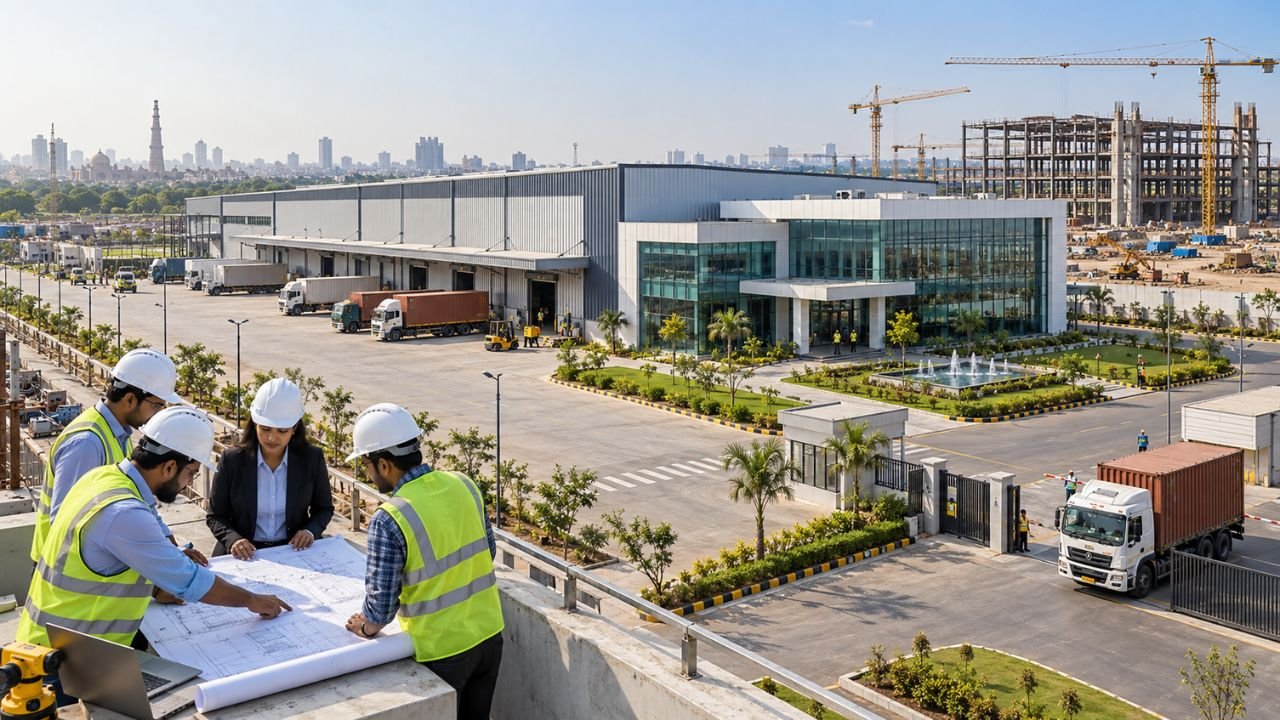
Imagine you are standing in the middle of your dream home construction project in India. The structure is ready, the walls are plastered, and the excitement is building. Then, you receive the quote for the electrical work. For many homeowners and builders in 2026, this is where the “sticker shock” sets in. What was once considered a minor part of the budget has now become a sophisticated, tech-heavy phase of construction. In 2026, electrical work is one of the most misunderstood and frequently underestimated costs, often accounting for 10% to 18% of the total construction expenditure.
👉Buy Electrical Estimate Template Bundle at ₹199 Only
The reality is that electrical systems have evolved. We are no longer just looking at a few light points and a fan; we are talking about EV charging provisions, smart home IoT integration, and high-safety copper wiring standards. If you are looking to plan your budget accurately, understanding the electrical work cost per square foot in India is no longer optional—it is essential for project success and safety compliance.
Electrical Work Cost Per Square Foot in India 2026 – Latest Rates
As we move through 2026, market volatility in raw materials like copper and aluminum, combined with rising skilled labor wages, has shifted the baseline pricing. For a residential project, the rates are generally categorized into three quality tiers: Budget, Mid-Range, and Premium/Luxury.
In major metro areas like Delhi NCR, Mumbai, and Bangalore, you can expect costs to be 10% to 20% higher than in Tier-3 cities due to premium labor rates and logistics.
| Project Type | Quality Tier | Estimated Rate (per sq. ft.) | Typical Inclusions |
|---|---|---|---|
| Residential (1BHK/2BHK) | Budget | ₹75 – ₹110 | Basic ISI wiring, standard switches, limited points. |
| Residential (3BHK/4BHK) | Mid-Range | ₹130 – ₹220 | Branded modular switches, FR wiring, 60-80 points. |
| Luxury Villas | Premium | ₹320 – ₹550+ | Smart home automation, EV charging, luxury fixtures. |
| Commercial (Office) | Standard | ₹180 – ₹300 | High-density data cabling, commercial DBs, fire safety. |
For a standard 1,000-square-foot home, a realistic mid-range budget in 2026 often hovers around ₹2,12,000 to ₹2,60,000 including 18% GST.
👉Buy Electrical Estimate Template Bundle at ₹199 Only
Detailed Breakdown of Electrical Costs
To truly master your budget, you need to look beneath the surface. The total electrical work cost per square foot in India is composed of several critical layers.
1. Wiring Cost (Concealed vs. Surface)
Wiring is the nervous system of your home. In 2026, concealed wiring is the standard for almost all new residential constructions as it provides a clean aesthetic and superior protection. The electrical wiring cost per square foot in India is heavily influenced by the price of copper, which currently accounts for roughly 35% of the total electrical budget.
- Concealed Wiring: Involves cutting “jhiri” (grooves) in walls, installing PVC conduits, and pulling wires.
- Material Choice: Using high-quality Flame Retardant (FR) or Low Smoke Zero Halogen (LSZH) wires from brands like Polycab or Havells is highly recommended for safety.
2. Point and Switch Costs
Contractors often quote based on “per point” rates. A “point” typically refers to a light, fan, or socket outlet. In North India, labor rates for point wiring currently range between ₹25 and ₹60 per point, depending on complexity. When calculating the electrical work material cost per square feet in India, modular switches and plates from brands like Legrand or Anchor Roma are the most popular mid-range choices.
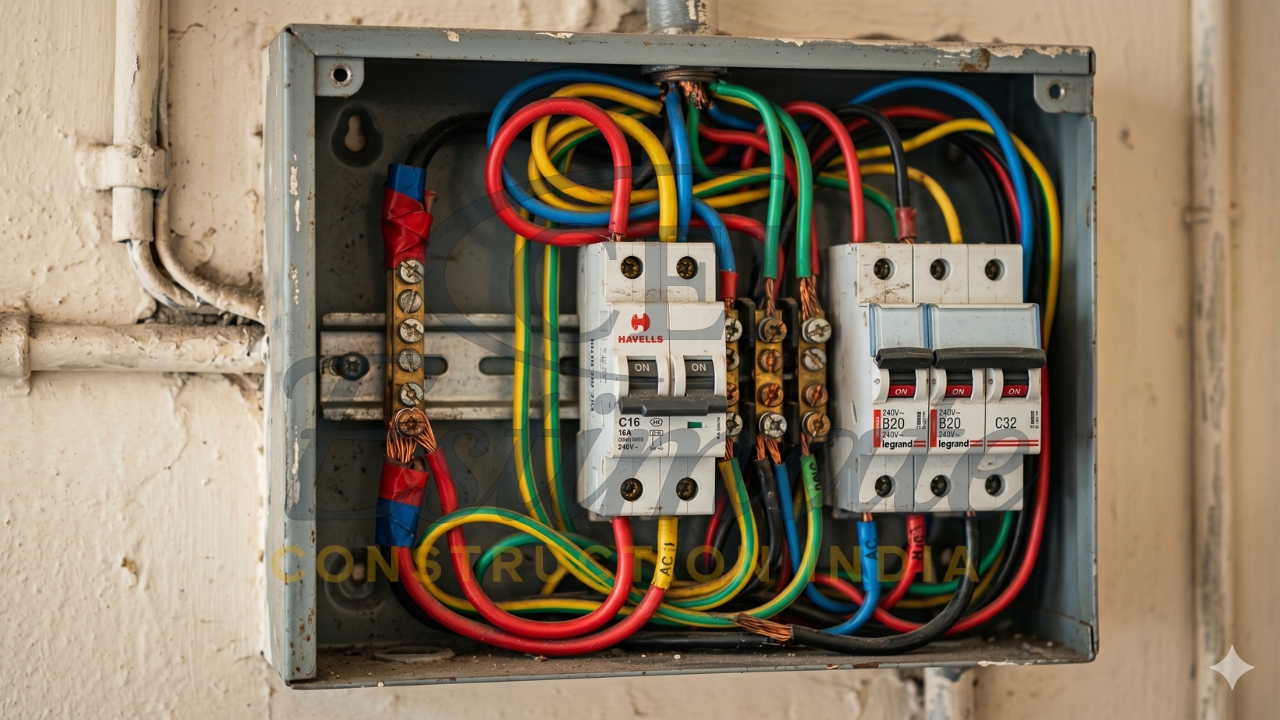
3. Electrical Panel and Distribution Board (DB) Cost
The DB is where your safety devices live. This includes Miniature Circuit Breakers (MCBs), Residual Current Circuit Breakers (RCCBs), and the main busbars. In 2026, it is mandatory to include provisions for solar-ready DBs and high-load circuits for air conditioners and geysers. This section of the electrical cost for new home construction in India often represents about 10% to 15% of the material cost.
4. Material vs. Labour Cost Split
A common rule of thumb for 2026 is a 60/40 or 70/30 split.
- Materials (60-70%): Conduits, wires, switches, DBs, and earthing kits.
- Labor (30-40%): Wall cutting, pipe laying, wire pulling, and final fitting.
| Component | Cost Weightage (%) | Key 2026 Trend |
|---|---|---|
| Wiring & Cabling | 25% – 35% | Shift toward LSZH (Low Smoke) wires for safety. |
| Switches & Accessories | 15% – 20% | IoT-enabled smart switches gaining popularity. |
| Labor Charges | 30% – 40% | Rising wages for skilled certified electricians. |
| DB & Safety (MCB/RCCB) | 10% – 15% | Mandating RCCBs for shock protection. |
| Earthing & Miscellaneous | 5% | Focus on chemical earthing for longevity. |
Electrical Cost for New Home Construction – House Size Wise
The size of your home is the biggest multiplier for electrical expenses. Larger homes don’t just have more square footage; they typically have a higher density of points and more complex automation requirements.
When looking at the electrical work average cost estimates in India, we can see a clear trend based on the total area:
- 1,000 sq. ft. Home (Mid-Range): Expect a total cost of ₹2,12,000 to ₹2,30,000. This covers roughly 60-80 electrical points, basic earthing, and mid-range modular switches.
- 1,500 sq. ft. Home (Mid-Range): Estimates typically range from ₹3,15,000 to ₹3,60,000. This allows for more AC points and a larger distribution board.
- 2,500 sq. ft. Luxury Villa: At this scale, the cost per square foot often jumps because of high-end lighting designs and automation. Expect to spend ₹8,00,000 to ₹12,00,000+.
👉Buy Electrical Estimate Template Bundle at ₹199 Only
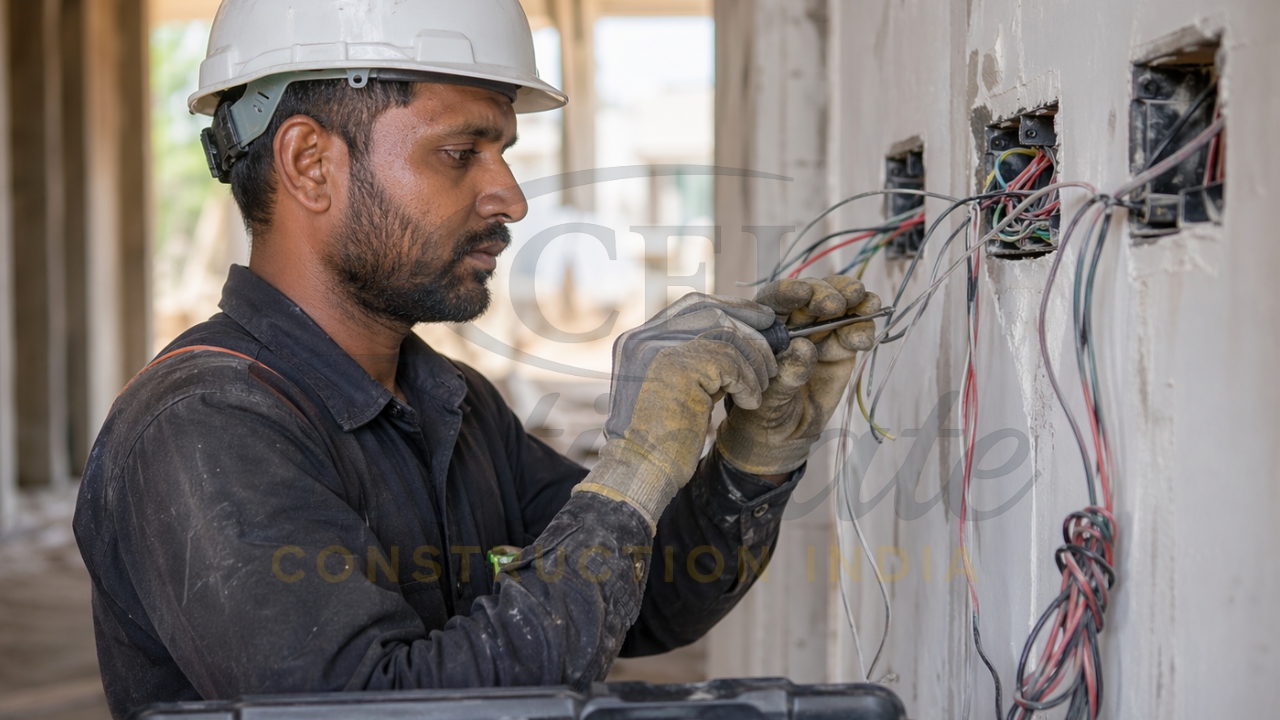
Electrical Material Cost Per Square Foot vs. Labour Cost
It is a common mistake to focus only on the material price. In 2026, labor costs are rising due to the specialized skills required for modern installations. While you can save money by bulk purchasing materials from wholesalers—which we highly recommend—you should never compromise on the quality of labor.
The electrical cost estimator in India often highlights that labor includes three distinct stages:
- Stage 1: Laying conduits in the slabs and walls (during masonry).
- Stage 2: Pulling wires and installing the main DB.
- Stage 3: Final fixing of switches, plates, and basic fixtures.
Factors That Affect Electrical Cost in 2026
Several variables can swing your budget by as much as 30%.
- Geographic Location: Metro cities like Delhi NCR are often 10% to 15% more expensive than Tier-3 cities or rural areas.
- Copper Prices: Since copper is a global commodity, its price fluctuations directly impact your wiring budget.
- Point Density: A kitchen with 15 points (microwave, chimney, fridge, etc.) will cost significantly more per square foot than a bedroom with only 5 points.
- Smart Home Features: Integrating IoT sensors, automated curtains, and smart dimmers can double your material cost.
- EV Charging Provisions: Building a dedicated high-amp circuit for an electric vehicle charger is a standard 2026 requirement that adds to the initial setup cost.
How to Estimate Electrical Cost Accurately?
Don’t rely on “lump-sum” guesses. To avoid the 20% budget overruns common in Indian construction, you must follow a structured approach. The best way is to learn how to estimate electrical cost for new construction in India using a professional Bill of Quantities (BOQ).
- Start with an Electrical Layout: Mark every fan, light, and socket on your floor plan.
- Calculate the Point Schedule: A standard 1,000 sq. ft. house usually requires 60 to 90 points.
- Account for Future Load: Always plan for 20% extra capacity to handle future appliances without rewiring.
- Include a Contingency Fund: Set aside 10% to 15% for unexpected changes or additions during construction.
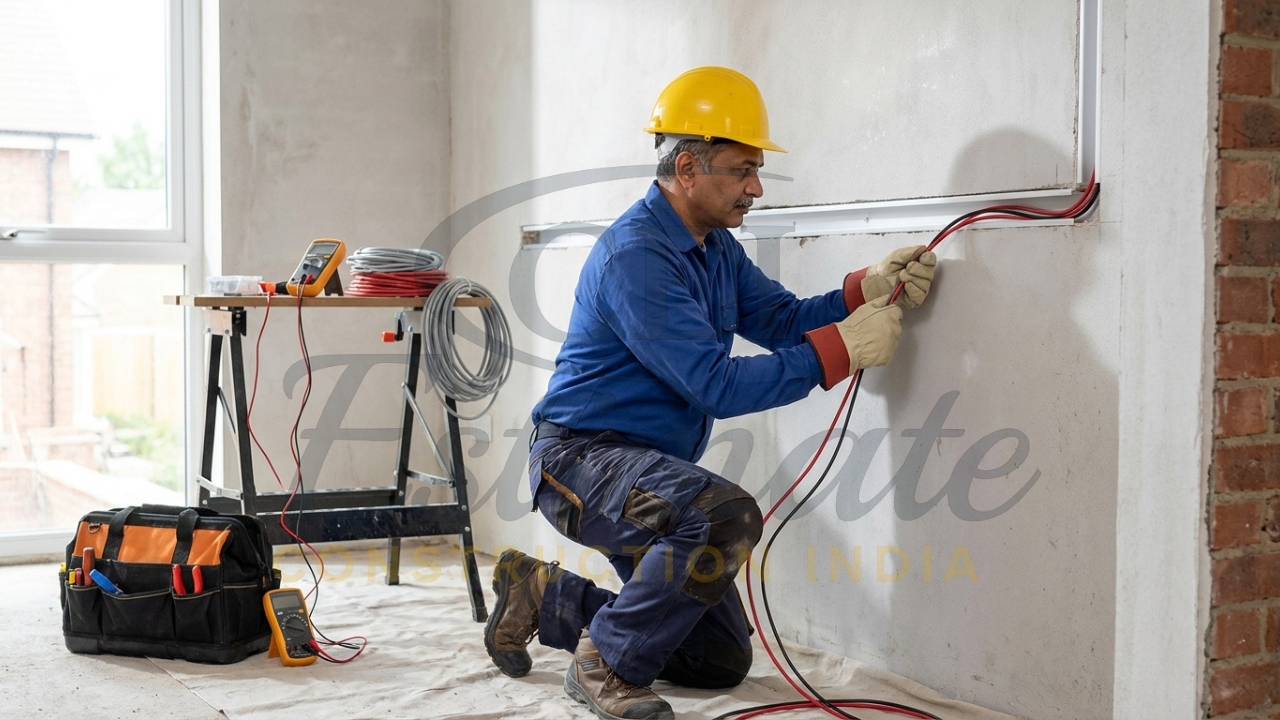
Frequently Asked Questions (FAQs)
- What is the average electrical work cost per square foot in India for 2026?
For a mid-range residential project, the average cost ranges between ₹130 and ₹220 per square foot, including labor and materials. - Does the cost include the price of fans and tube lights?
Standard estimates usually cover internal wiring, switches, and DBs. Luxury fixtures like decorative chandeliers or premium fans are typically excluded and billed separately. - Is concealed wiring more expensive than surface wiring?
Yes, concealed wiring involves more labor for wall cutting and higher material costs for conduits, but it is much safer and visually appealing. - Why are electrical costs higher in metro cities?
Higher labor wages, stricter municipal building codes, and increased logistics costs for material transport make metro projects 10-20% more expensive. - How much GST is applicable on electrical work?
Electrical materials and services generally attract 18% GST in India. - Can I use aluminum wiring to save money?
We strongly advise against it for residential projects. Copper is more efficient, durable, and significantly safer against fire hazards. - How many electrical points should a standard 2BHK have?
A well-planned 2BHK typically requires 50 to 70 points, including sockets for appliances and ACs. - What are the best brands for electrical materials in India?
Popular and reliable brands for 2026 include Havells, Polycab, Finolex, and Legrand. - Does the estimate include earthing?
Yes, a professional quote should always include a proper earthing system (like a chemical earthing kit) to ensure safety from electrical shocks. - How can I reduce my electrical construction costs?
Bulk purchase materials from wholesalers, avoid over-provisioning points in low-use areas, and use local but ISI-marked brands for non-critical components.
Conclusion
Electrical work is the backbone of your home’s functionality and safety. While it is tempting to cut corners to save on the electrical work cost per square foot in India, remember that fixing a faulty wiring system after the house is finished is ten times more expensive than doing it right the first time.
In 2026, transparency is your best tool. By understanding the per-square-foot rates and the material-to-labor split, you can hold your contractors accountable and ensure your home is future-proofed for the next generation of technology. Always insist on a detailed BOQ and use professional estimation services to keep your project on track and within budget.