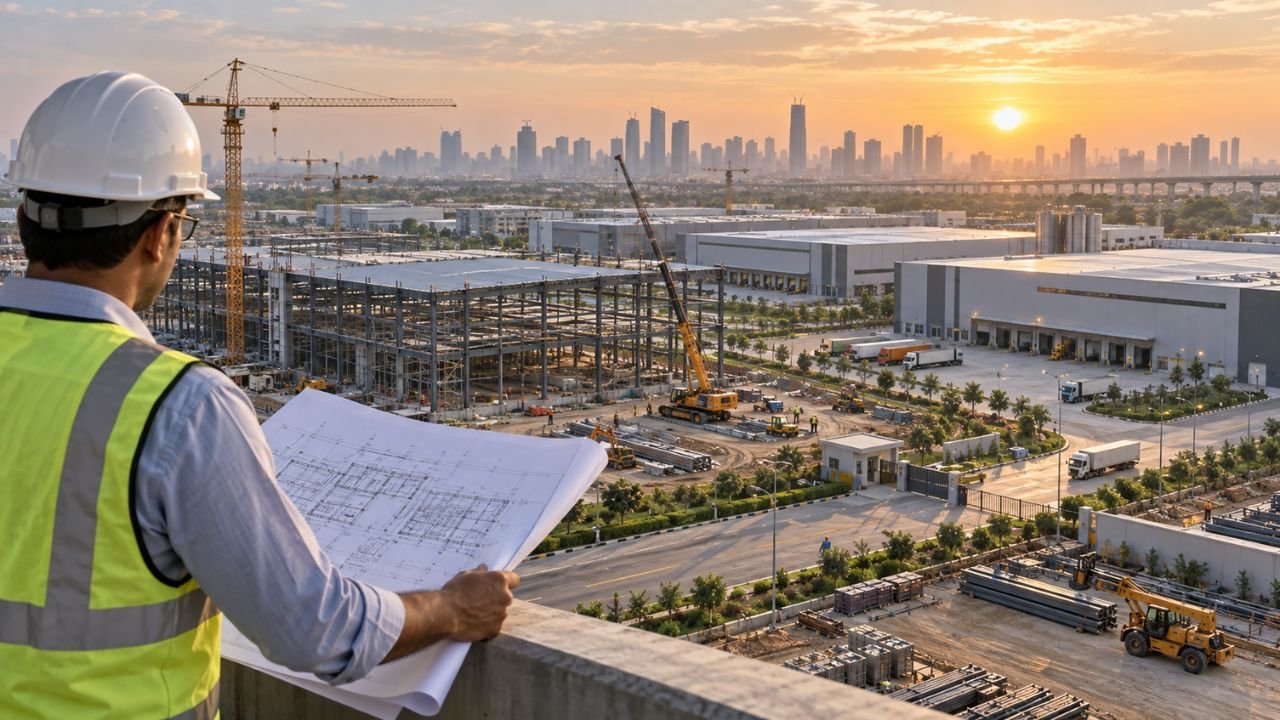
Choosing the right person or company to build your dream house is one of the most important decisions you will make. Yet every year thousands of plot owners in Agra, Lucknow, Delhi NCR, and other parts of Uttar Pradesh face delays, poor quality, cost overruns, or even legal disputes because they did not know what to check before hiring contractor. The difference between a smooth project and a nightmare often comes down to proper verification before signing the agreement.
In 2026, with material prices still fluctuating and labour shortages common, hiring the wrong contractor can add 20–40% extra cost and years of stress. A good contractor delivers quality work on time and within budget, while a bad one can leave you with cracks, leaks, and endless repair bills. This practical guide gives you a complete, step-by-step checklist that every homeowner should use. You will learn exactly what documents to verify, which questions to ask, red flags to watch for, and how to structure a safe agreement. Follow these checks and you will significantly reduce your risk and enjoy a better-built home.
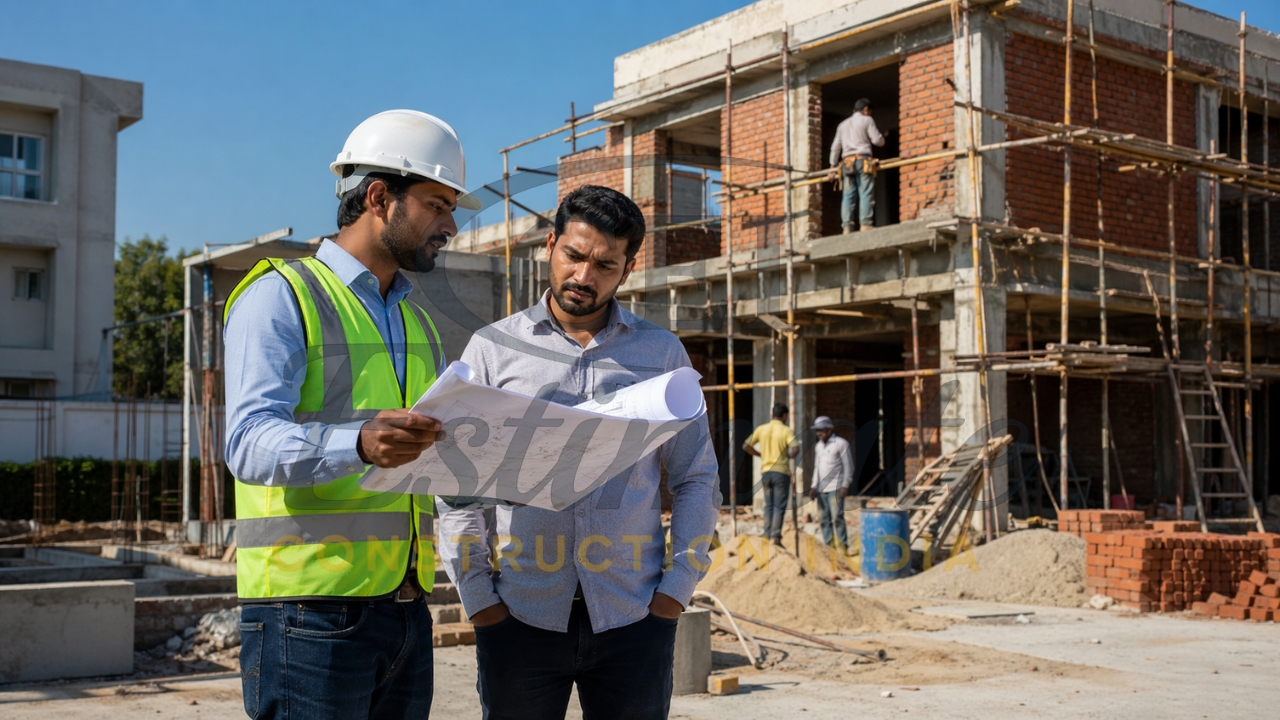
Why Proper Contractor Verification is Critical in 2026
The construction industry in India is growing rapidly, but so is the number of inexperienced or unreliable players. Rising cement and steel prices, frequent changes in GST rules, and stricter RERA compliance mean that only serious, well-organised contractors can deliver good results. Skipping verification might save you a few days initially, but it often leads to massive problems later. Proper checks help you confirm the contractor’s capability, financial stability, past track record, and willingness to work transparently. This single step protects your investment and gives you peace of mind throughout the project.
1. Check Experience and Past Projects
Experience is the first and most important thing to verify.
- Ask for the number of years the contractor has been in business.
- Request details of at least 5–7 similar residential projects completed in the last 3–4 years (G+1 or G+2 houses).
- Visit at least 2–3 completed projects to see the quality of workmanship, finishing, and how the contractor handled client feedback.
- Talk directly to previous clients — ask about timely completion, behaviour during the project, and any hidden costs that appeared later.
A contractor who has successfully completed 8–10 similar houses in your area is far more reliable than someone who only shows photos or works mainly on commercial projects.
Choose Your Construction Services
Connect with verified experts for your project. We provide professional
General Contractors, Sub-contractors, Builders, and Material Suppliers.
Our network also includes specialized 3D Rendering Developers and Interior Experts.
2. Verify Legal Documents and Licenses
Never hire without proper paperwork. Insist on seeing and verifying the following:
- PAN card and GST registration certificate (active and valid).
- Labour licence and EPF/ESIC registration if they employ more than 10 workers.
- Registration with local PWD or municipal corporation (if applicable).
- RERA registration (mandatory if the contractor is developing multiple units).
- Valid bank account details and solvency certificate (optional but useful for larger projects).
Cross-check GST number on the government portal and ensure the name matches the agreement. In 2026, unregistered or fake GST numbers are a major red flag.
3. Review Portfolio and Client References
A genuine contractor will happily share:
- Photographs and videos of completed projects.
- Contact details of previous clients.
- Completion certificates or handover letters.
Call at least 4–5 past clients and ask specific questions:
- Did the project finish on time?
- Were there any major quality issues?
- How was the behaviour during the project?
- Would you hire them again?
Honest feedback from real clients is more valuable than any marketing material.
4. Assess Technical Capability and Team
A good contractor must have:
- Qualified civil engineers or supervisors on the team.
- Experience with proper BOQ preparation and stage-wise measurements.
- Access to reliable masons, bar benders, and electricians.
- Knowledge of current IS codes and best practices for RCC, curing, and waterproofing.
- Basic testing facilities or tie-ups for cube tests and material checks.
During your meeting, ask them how they handle RCC quality, curing, and material procurement. Vague answers are a warning sign.
5. Understand Pricing, Payment Terms and Contract Clarity
This is where most disputes start. Always insist on:
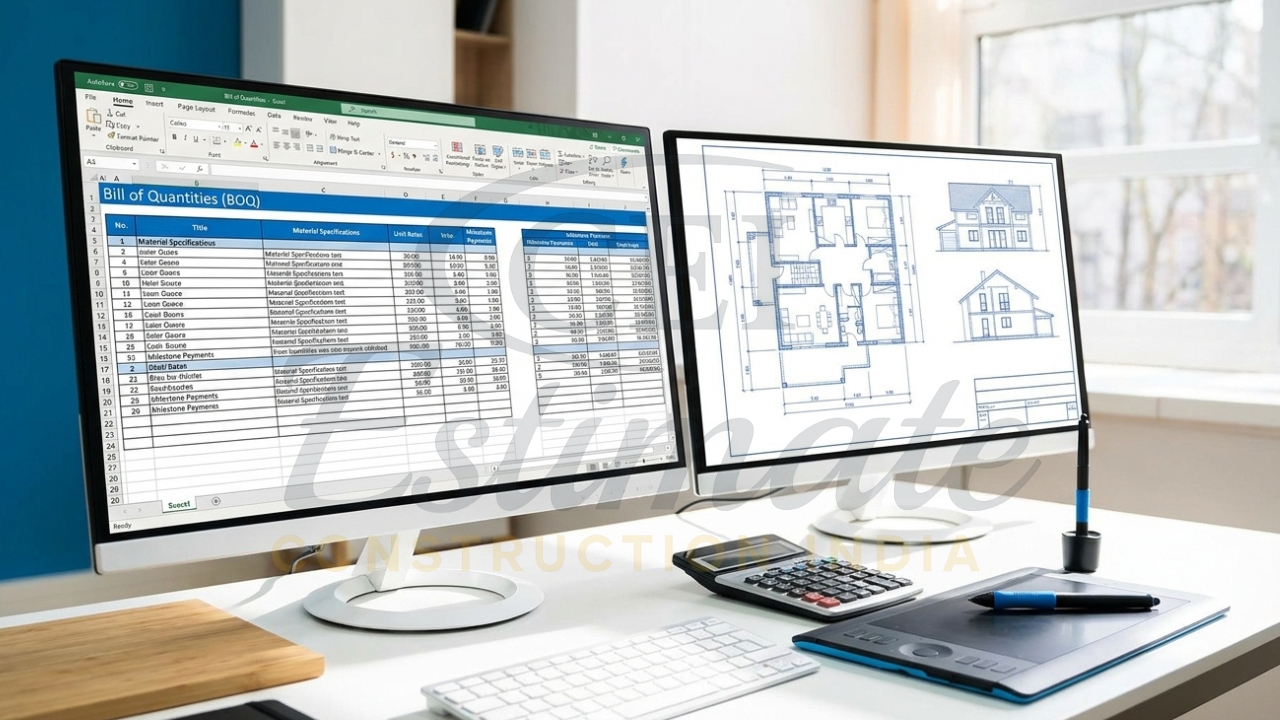
- A detailed BOQ with quantities and rates.
- Milestone-based payment schedule (e.g., 10% advance, 25% on plinth, 30% on slab, etc.).
- Clear mention of what is included and excluded (GST, approvals, water/electricity connection).
- Penalty clause for delays and warranty clause for defects.
Never agree to heavy advance payments (more than 10–15% is risky). A professional contractor will never pressure you for large sums upfront.
6. Check Financial Stability and Reputation
Look for signs of financial health:
- Stable bank account and timely payments to suppliers.
- No history of abandoned projects or court cases.
- Positive local reputation among material suppliers and other contractors.
- Online reviews and feedback on local forums.
A contractor who is financially stable is less likely to abandon your project midway.
7. Site Supervision and Quality Control Approach
Ask the contractor:
- Who will be the daily site supervisor?
- How do they ensure material quality and proper curing?
- What testing do they perform during RCC work?
- How do they handle variations or extra items?
Professional contractors welcome these questions and have clear systems in place.
Red Flags to Watch Out For When Hiring a Contractor
Be extremely careful if you notice any of these:
- Extremely low quotation that seems too good to be true.
- Reluctance to provide written agreement or detailed BOQ.
- Pressure for large advance payment.
- No proper office or permanent address.
- Refusal to share past client references.
- No GST registration or incomplete documents.
- Vague answers about material brands and quality checks.
- History of delayed or abandoned projects.
- Unwillingness to visit your site before quoting.
- Poor communication or unprofessional behaviour.
Any one of these red flags is enough to look for another contractor.
Final Checklist Before Signing the Contract
Use this ready-to-use checklist:
- Verified experience and past projects
- All legal documents (GST, PAN, licences)
- Positive references from previous clients
- Detailed BOQ and drawings approved
- Clear milestone payment schedule
- Written agreement with penalty and warranty clauses
- GST and material specifications mentioned
- Site supervisor and quality plan discussed
- 5–10% retention money agreed
- Defects liability period (minimum 12 months)
Conclusion
Knowing what to check before hiring contractor can save you from years of regret and lakhs of rupees in repairs. In 2026’s competitive construction market, a little extra effort in verification goes a long way. Always prioritise experience, legal compliance, transparent agreements, and proven quality over the lowest quotation. A good contractor may cost slightly more initially, but will deliver a strong, durable home that retains its value for decades.
Take time to verify, visit past projects, and sign a clear agreement. Your dream house deserves the best team. By following the checklist in this guide, you will significantly increase your chances of a smooth, high-quality construction experience in 2026.
Ready to get an accurate, customised construction estimate for your project in 2026?
At Estimator Construction India our professional estimating team delivers detailed BOQ and cost reports in just 48 hours.
Construction cost estimation services start at just ₹10,000 INR only.
Contact us today:
📞 Phone / WhatsApp: +91 86306 76890
✉️ Email: info@constructionestimatorindia.com
Don’t overpay or underbid — get your precise 2026 construction cost per sq ft estimate now and win more projects with confidence!
Frequently Asked Questions (FAQs) – What to Check Before Hiring Contractor
What documents should I verify before hiring a contractor for house construction in India?
Before hiring a contractor, always verify GST registration, PAN card, labour licence, and any PWD/CPWD registration. For larger projects, ask for RERA registration if applicable. Check that the name on all documents matches the agreement. These documents confirm the contractor is legitimate and compliant with 2026 rules. Never proceed without seeing original documents and cross-checking on government portals.
How much advance payment is safe to give to a contractor?
Safe advance payment is 10–15% of the total contract value against a proper receipt and bank guarantee if possible. Never pay more than 20% upfront. Tie further payments to clear milestones (plinth, slab, finishing) with joint measurements. This practice protects you and motivates the contractor to maintain quality and speed.
Should I hire a contractor based on the lowest quotation?
No. The lowest quotation often indicates compromises on material quality, labour skill, or hidden costs that appear later. Evaluate the quotation along with experience, past work, and technical capability. A slightly higher but realistic quote from a reliable contractor usually saves money in the long run by reducing rework and delays.
How can I check the past work quality of a contractor?
Visit at least 2–3 completed projects of the contractor. Speak directly with previous clients about timely completion, quality of workmanship, behaviour during the project, and any hidden costs. Look for neat finishing, proper curing, and absence of early cracks or leaks. Honest client feedback is the best indicator of future performance.
What should be included in the agreement with a contractor?
The agreement must include detailed scope of work, BOQ with quantities and rates, milestone payment schedule, completion timeline with penalties, material specifications, GST clause, defects liability period (minimum 12 months), and dispute resolution mechanism. Attach drawings and approved makes as annexures. A well-drafted agreement protects both parties and prevents misunderstandings.